
Non-BMW Stuff on a BMW Forum
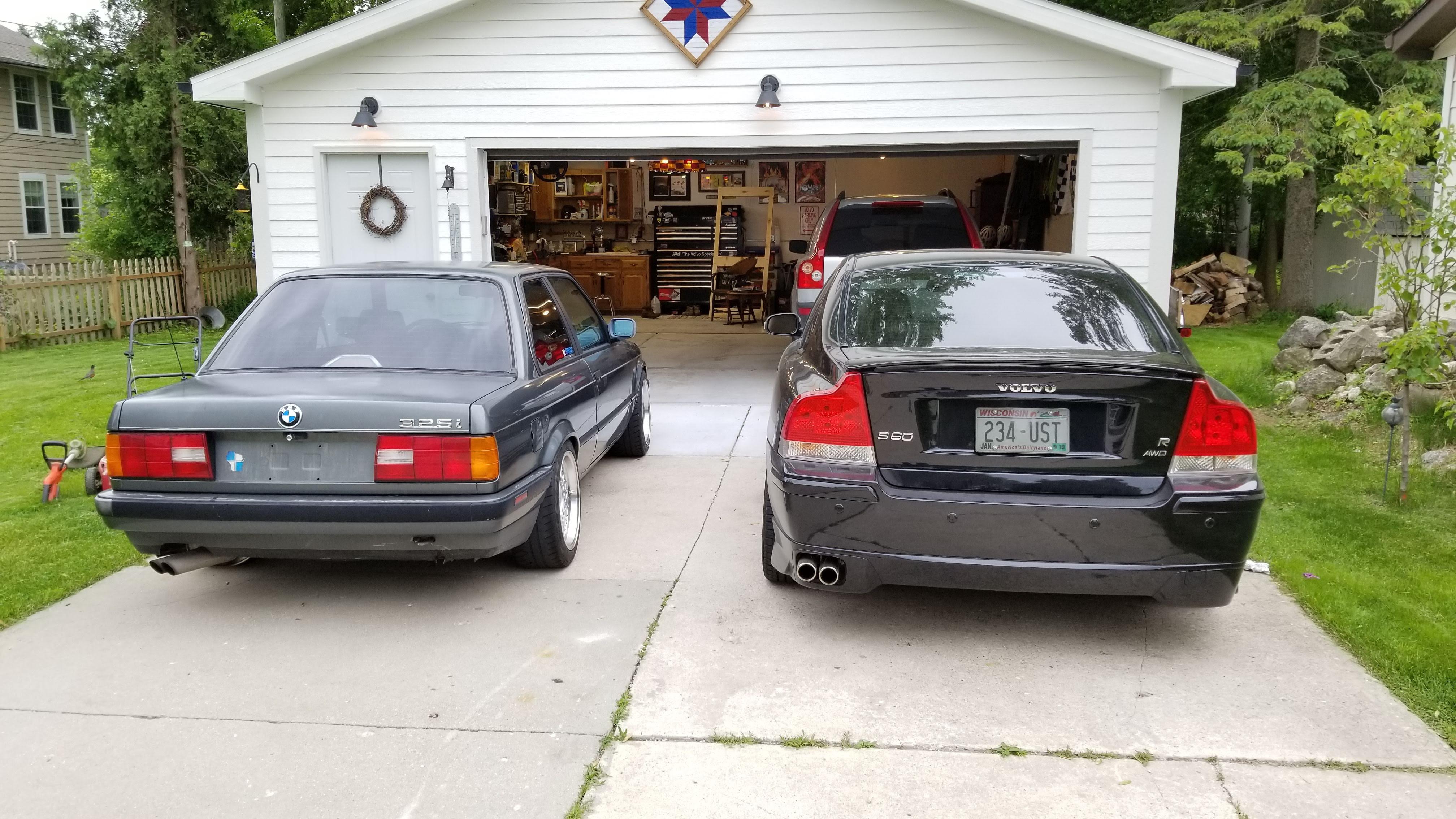
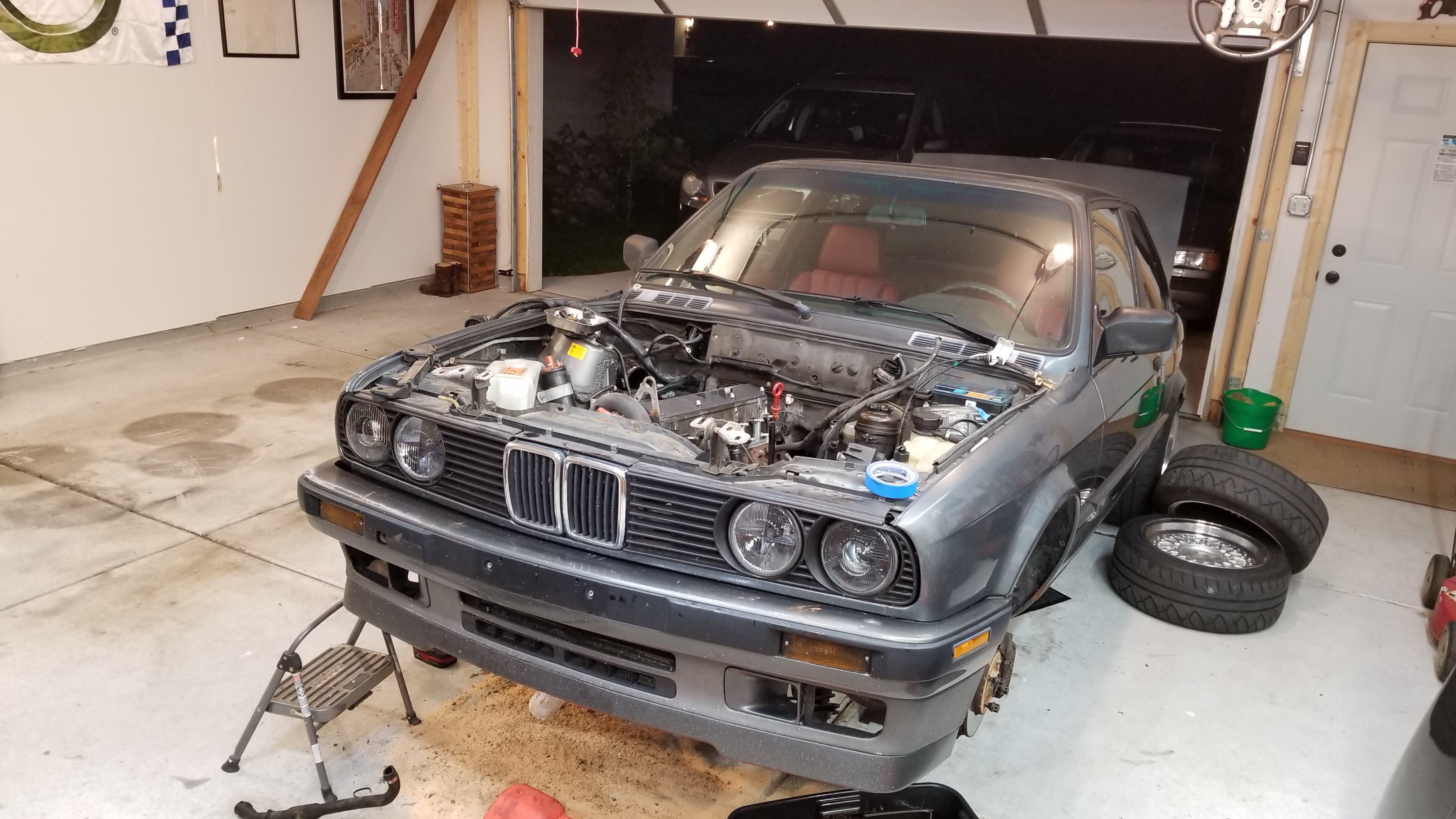
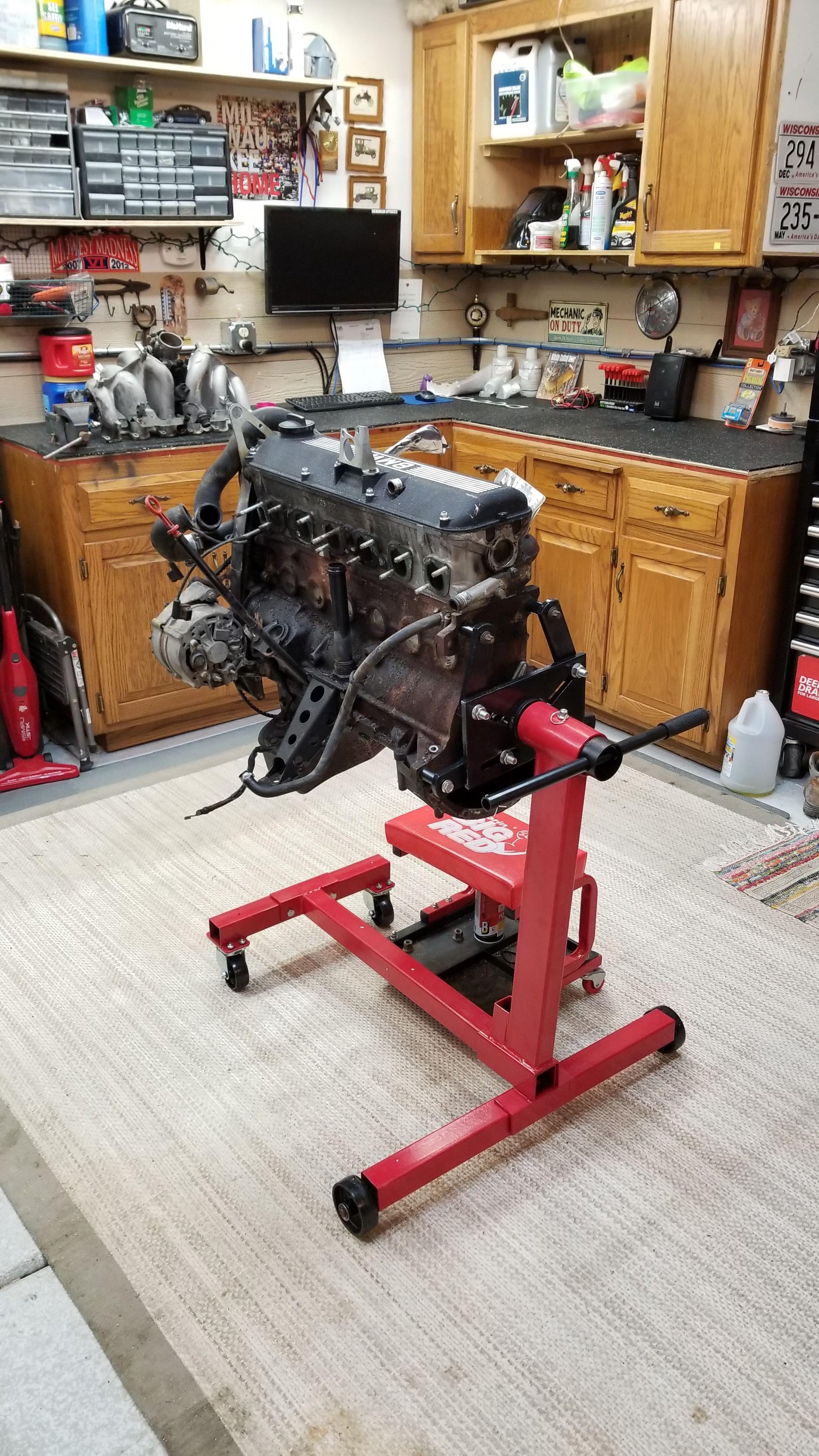
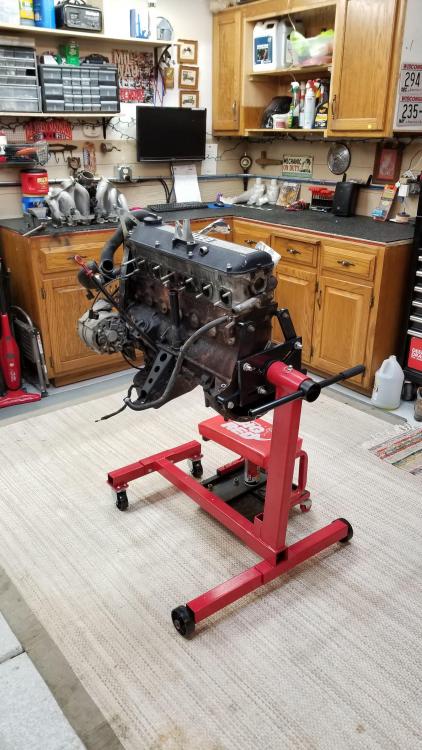
-
Slightly confused what you mean here. 120v single-phase is actually two 120v legs 180 degrees out of phase, so measuring across the two hots give 240v. Measuring hot to neutral will give you 120v. 120v and 240v are both available from the same panel.
i'd assume that he means that 240v was run from the main panel to the subpanel. (multiple hot wires on separate breakers, instead of just one)
Dan

-
i'd assume that he means that 240v was run from the main panel to the subpanel. (multiple hot wires instead of just one)
Ah that makes sense. I don't think I've ever seen a breaker box that was designed to be powered off of just one leg. I'm pretty sure running all of the available phases to a sub panel is standard practice. It's a bit more efficient in terms of the amount of wire required because current being drawn from the opposing phases cancel each other out, reducing neutral current. ie 2 20 amp circuits only requires one 12ga neutral instead of 2.
-
i'd assume that he means that 240v was run from the main panel to the subpanel. (multiple hot wires on separate breakers, instead of just one)
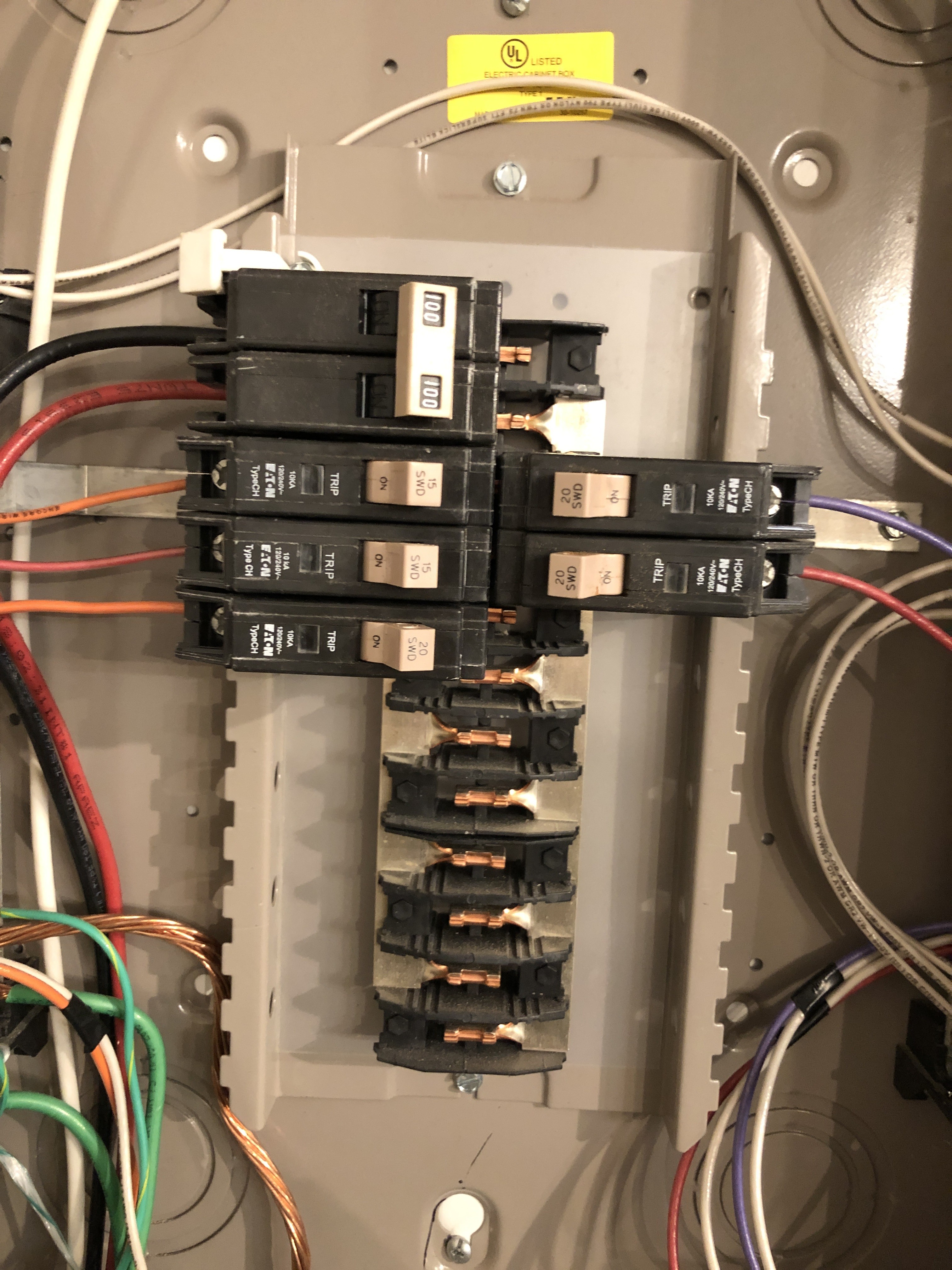
This is correct. I meant that they ran a 220a service from the house to the garage's subpanel - two 120v legs to a 2-pole 100a breaker.
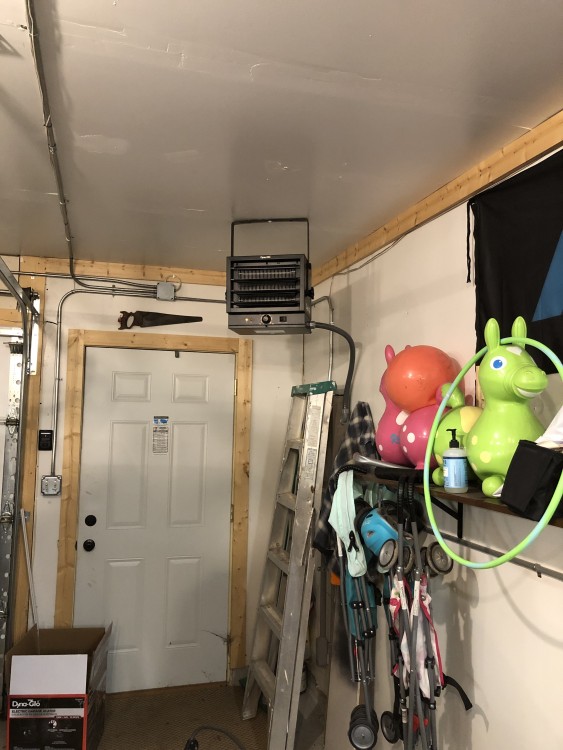
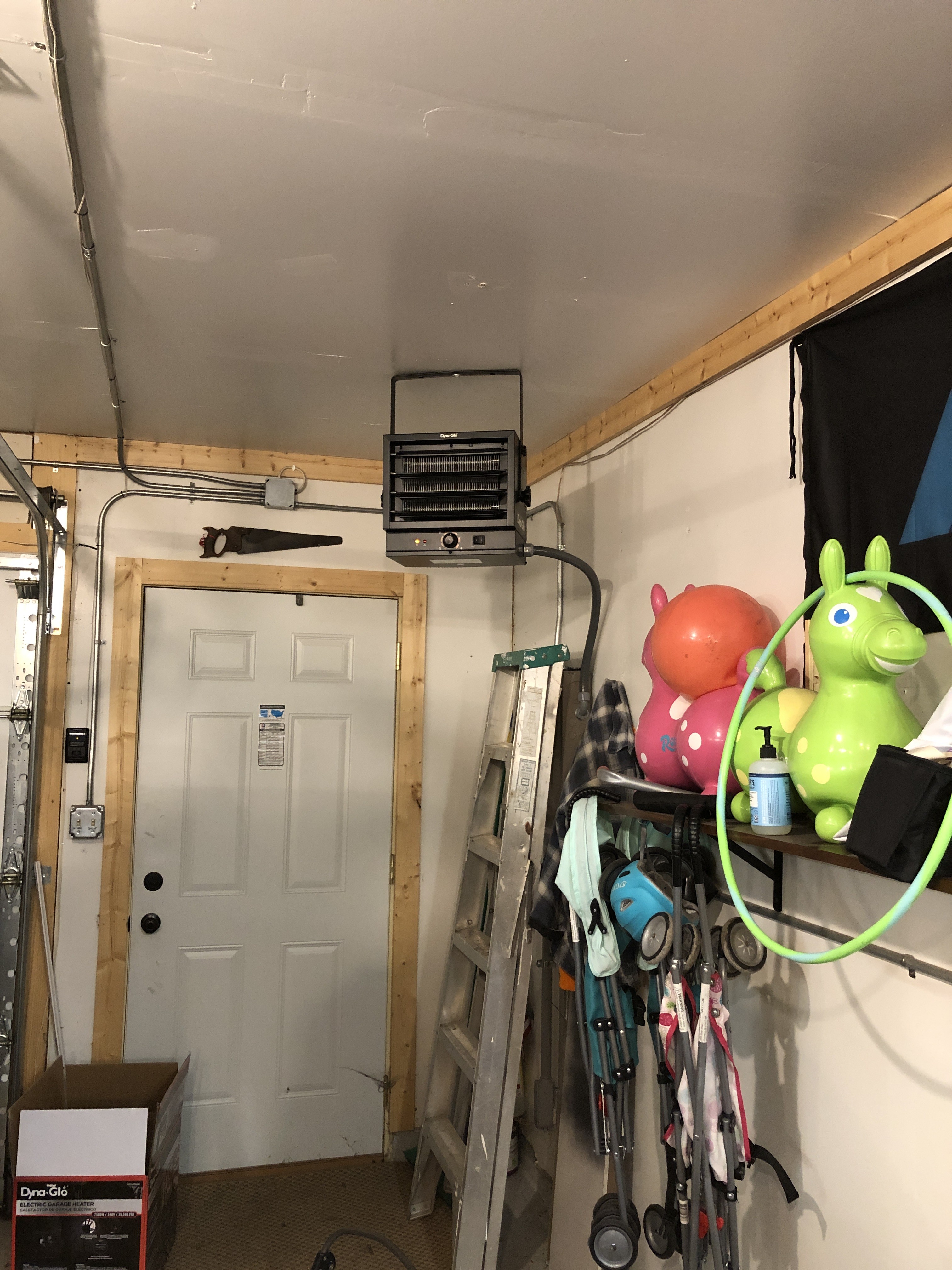
Menards has their heaters on sale. Planning on picking one up this week to install that. Roughly estimated that if I use it 3 times a week on its highest setting non-stop for a few hours at a time that it would cost about $30/mo. Which I didn't think is too bad. Beats the noise and smells generated by my current propane torpedo-heater.
-
That will be nice. I have a kerosene torpedo heater, and it's handy to have around. It puts out a ton of heat which is nice, but like you said, it's noisy, smelly, and generally a hassle. Not to mention concerns over CO/CO2 when used indoors. Unvented heaters like that also put a ton of moisture in the air which can cause condensation and probably other moisture-related problems.
-
Not to mention concerns over CO/CO2 when used indoors.
That is very true. I have a CO alarm in the garage but needed to take the batteries out because it would go off after having the heater going for just a little while.
-
That is very true. I have a CO alarm in the garage but needed to take the batteries out because it would go off after having the heater going for just a little while.
Hahahaha, entirely defeating the point of the alarm.
Not saying I haven't done it, just amusing to read. -
Hahahaha, entirely defeating the point of the alarm.
Not saying I haven't done it, just amusing to read.Oh yeah. It served no purpose. Actually, it did serve a purpose. It was telling me to open the doors and get some fresh air.
-
Just to clarify, the subpanel having a 100 amp main breaker does not mean 100A is available. What size is the breaker in the house that feeds it? It may or may not be 100A the size would depend on the wire gauge that was used. Either way that is excellent. If you have wiring questions just ask, I am a master electrician, I'm actually teaching code class to apprentices right now.
I have typically run 60A to a garage, so the feeder breaker is a 60A, using 6ga copper wire, and the sub panel is usually 100A rated because that is pretty standard for smaller panels. There are a couple things to pay attention to in a subpanel. The ground and neutral wires can't be mixed like in a main panel. So the grounds need to go to a ground bus attached to the enclosure and the neutrals attach to the neutral bus. Otherwise you create a parallel circuit and current will flow on the ground wire back to the main panel which is bad/dangerous/against code.
Be careful and turn it off when doing anything, don't just turn off the main breaker in the garage panel. Turn it off at the feeder breaker in the house. Otherwise the incoming lines are still live and it is easy to slip.
-
Just to clarify, the subpanel having a 100 amp main breaker does not mean 100A is available. What size is the breaker in the house that feeds it? It may or may not be 100A the size would depend on the wire gauge that was used. Either way that is excellent. If you have wiring questions just ask, I am a master electrician, I'm actually teaching code class to apprentices right now.
I have typically run 60A to a garage, so the feeder breaker is a 60A, using 6ga copper wire, and the sub panel is usually 100A rated because that is pretty standard for smaller panels. There are a couple things to pay attention to in a subpanel. The ground and neutral wires can't be mixed like in a main panel. So the grounds need to go to a ground bus attached to the enclosure and the neutrals attach to the neutral bus. Otherwise you create a parallel circuit and current will flow on the ground wire back to the main panel which is bad/dangerous/against code.
Be careful and turn it off when doing anything, don't just turn off the main breaker in the garage panel. Turn it off at the feeder breaker in the house. Otherwise the incoming lines are still live and it is easy to slip.
I had sent pictures off to a friend of mine who is also an electrician. I believe the breaker for the garage in the main panel is a 60a breaker.
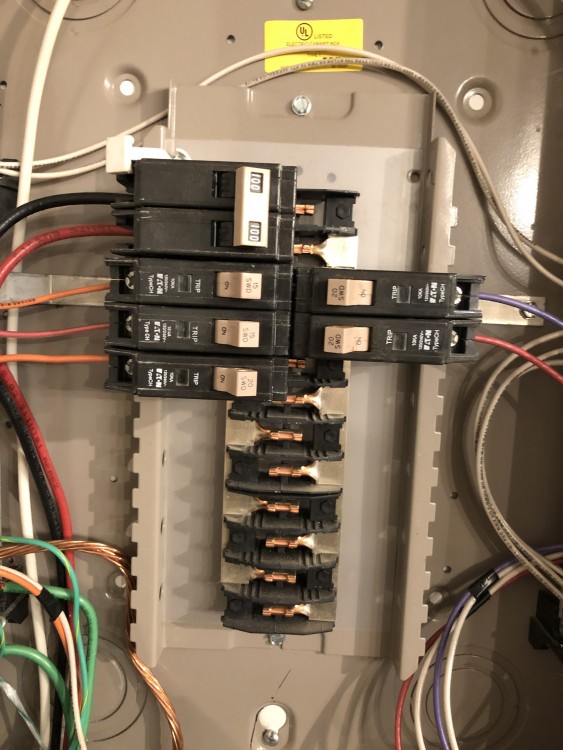
And thank you, I will! I have some basic, at home DIY knowledge for electrical work - running outlet and a couple lights/switches in our basement. But later this year the garage will be transitioning from a shared garage with my wife to a shop for just me. At that point I'll be building a storage room and an office along the back wall. So I may be back with more electrical questions at that time.
-
It was a relative PITA, mostly my fault, but it’s in and works better than I expected. I have it on the low setting and it raised the temp of the garage 10° in about 45 mins. The garage typically stays 20° warmer than outside and was at 50° when I went inside.
-
thats hot
what kind of insulation does your garage have?
Dan
-
thats hot
what kind of insulation does your garage have?
Walls and ceiling are both insulated and drywalled . I don’t remember the R value, but it was an average/common one. And the overhead door is insulated.
-
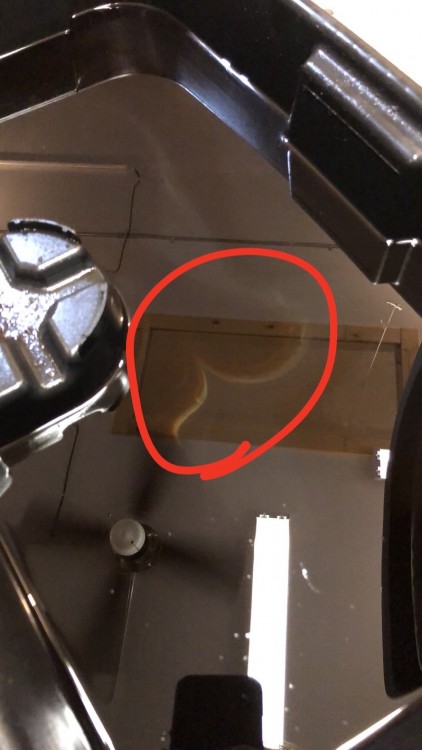
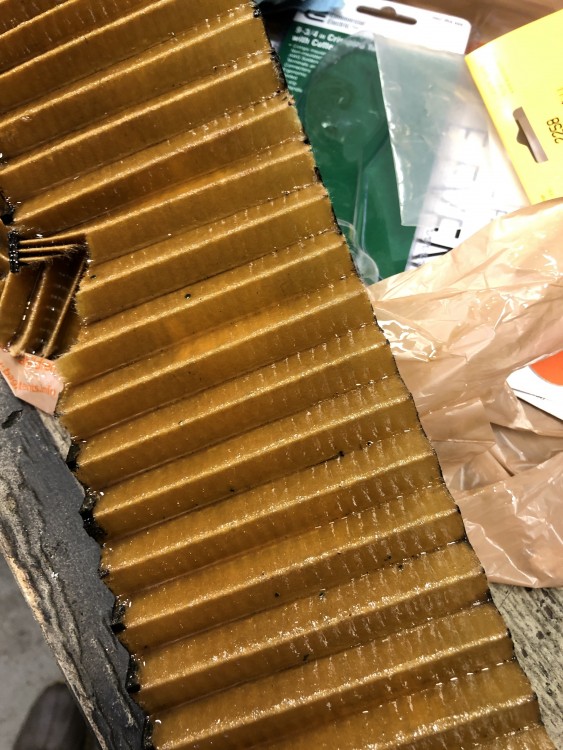
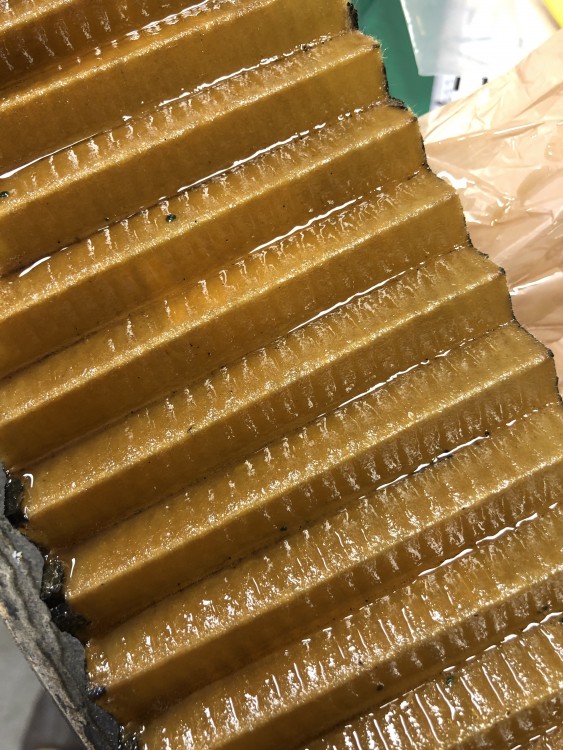
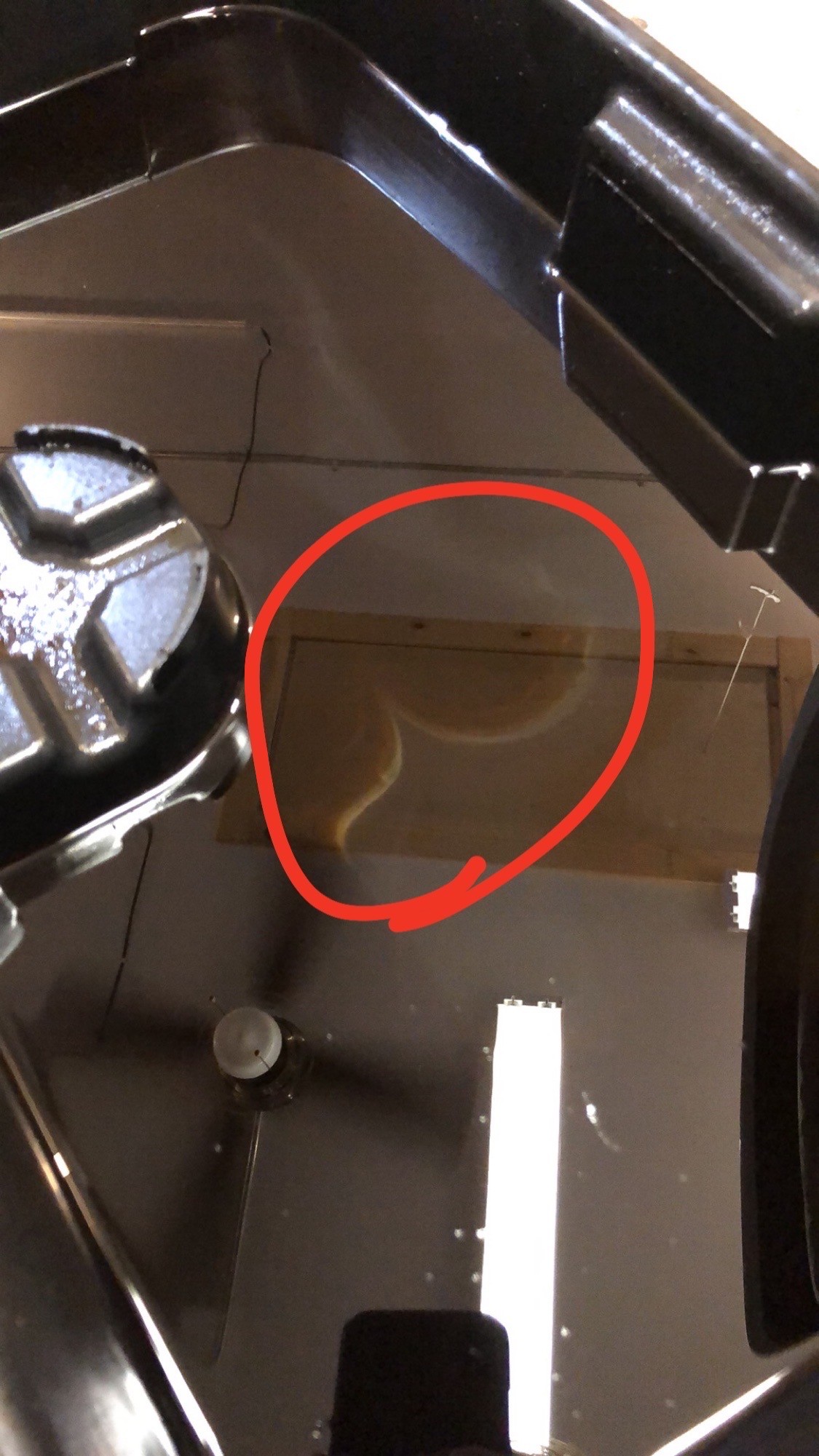
Hey guys. I drained the oil last night to work on the gauge senders and my oil has this metal “wave” in it. This is the third time the oil has been drained and maybe 500 miles on the engine rebuild. What are your thoughts on it? Tom recommended cutting the oil filter in half and will do that tomorrow night. I have a magnetic drain plug and it had sole residue on it, but nothing more, maybe less, than my previous cars always had on their drain plugs.
-
Option 1: post this up on www.bobistheoilguy.com and walk away with PTSD
Option 2: use a high quality oil filter and send a sample in to Blackstone during your next oil change.
-
Option 1: post this up on www.bobistheoilguy.com and walk away with PTSD
Option 2: use a high quality oil filter and send a sample in to Blackstone during your next oil change.
I've read posts on Bob's forum and I have no interest posting there. lol.
I was gonig to check the oil this morning to see if the stuff was magnetic or not and it was gone. So I'm wondering if this was some weird froth or something? I don't know. I was freaked out given I just rebuilt the engine and it was my first time. The 20w50 oil in 20-30* is very, very thick, so I couldn't imagine that if it was tiny metal dust that it would have sunk.
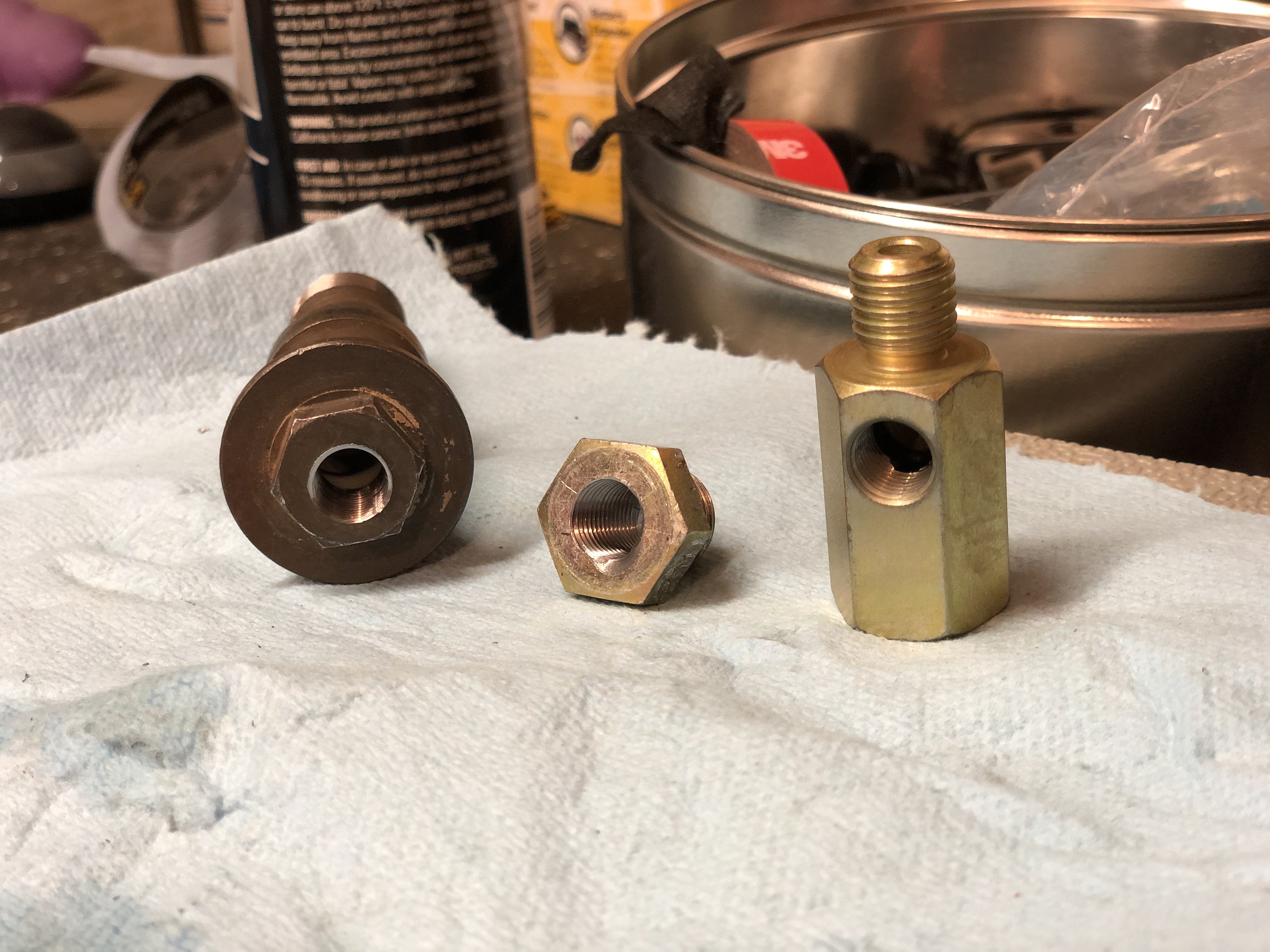
Well, besides the oil, last night I got the coolant and oil filter housing bolt tapped for the senders. The bimmerheads oil pressure sender adapter had the hole tapped on the wrong side. When I screwed it into the block, their port was always facing the block. So I had to drill and tap a hole on the other side and then ordered some 1/8npt plugs.
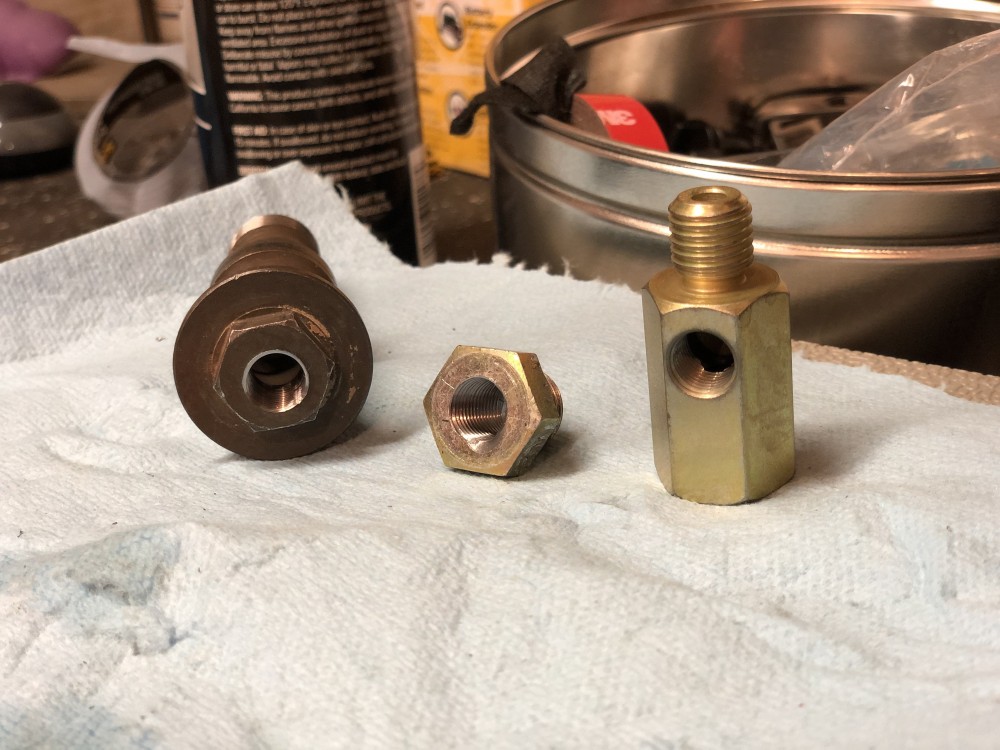
I know the holes are exactly in the middle. I did my best. Get off my back.
-
I know the holes are exactly in the middle. I did my best. Get off my back.
i've seen worse from actual manufacturers these days. i wish i would have saved the socket cap bolt that was sent as a kit with some cheap rear dog-bone arms for the e34. the hex opening in the head was like this: (photoshop representation)
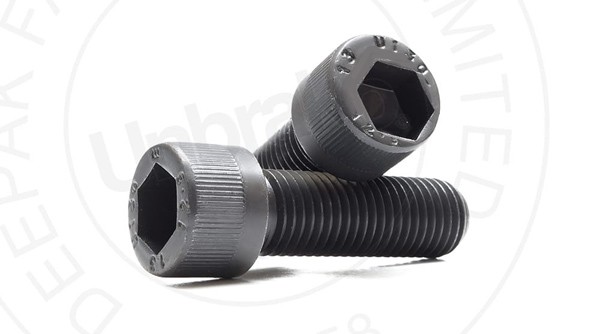
Dan
-
i've seen worse from actual manufacturers these days. i wish i would have saved the socket cap bolt that was sent as a kit with some cheap rear dog-bone arms for the e34. the hex opening in the head was like this: (photoshop representation)
That's hilarious. It would be entertaining to watch someone tighten one of those down with a drill.
-
That honestly just looks like condensation in the oil, but that could be the reflections too. Just run a really nice filter.

https://www.instagram.com/_jdesigner_/ http://nevertoolow.tumblr.com/
🥳SOLD BMW E24 633CSI - BMW M30B32 🧪SOLD HCH ES9 - 1.3 LDA
👽BMW E30 325IC - Toyota 1JZ-GTE ⏰ HONDA EF9 CIVIC SI - JDM B18C5
☠️BMW E36 318i - Ford 5.0 FE302 🚴♂️ GT-Labomba - 26x2.75 Freeride
🤹♀️SOLD BMW E36/7 Z3 - BMW M54B25 🧓SOLD BMW E10 2002 - BMW M10M05 -
That honestly just looks like condensation in the oil, but that could be the reflections too. Just run a really nice filter.
Maybe remnants of assembly lube
-
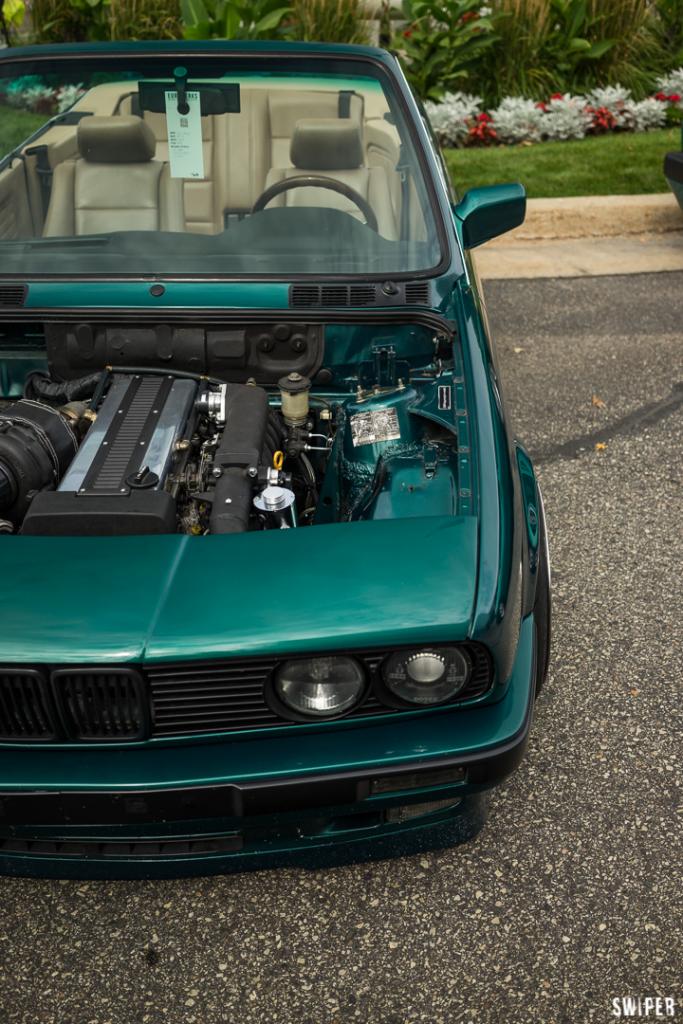
Feels like I got way more done than I really did. Wiring is so time consuming.
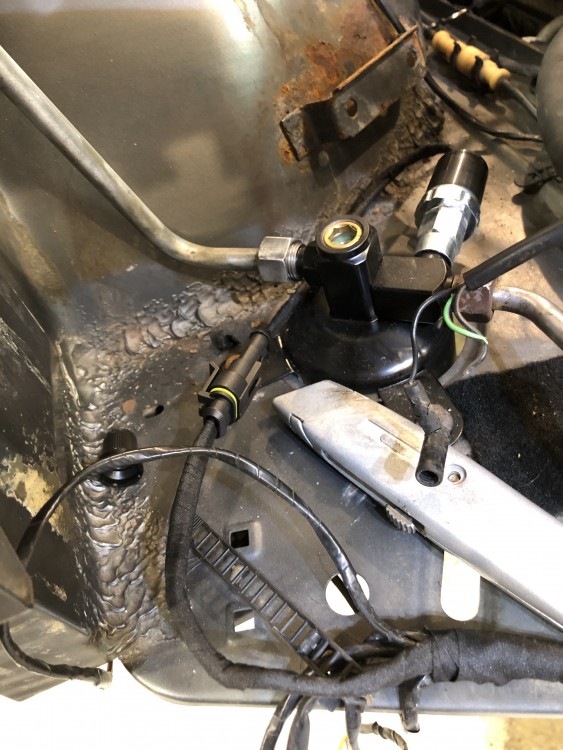
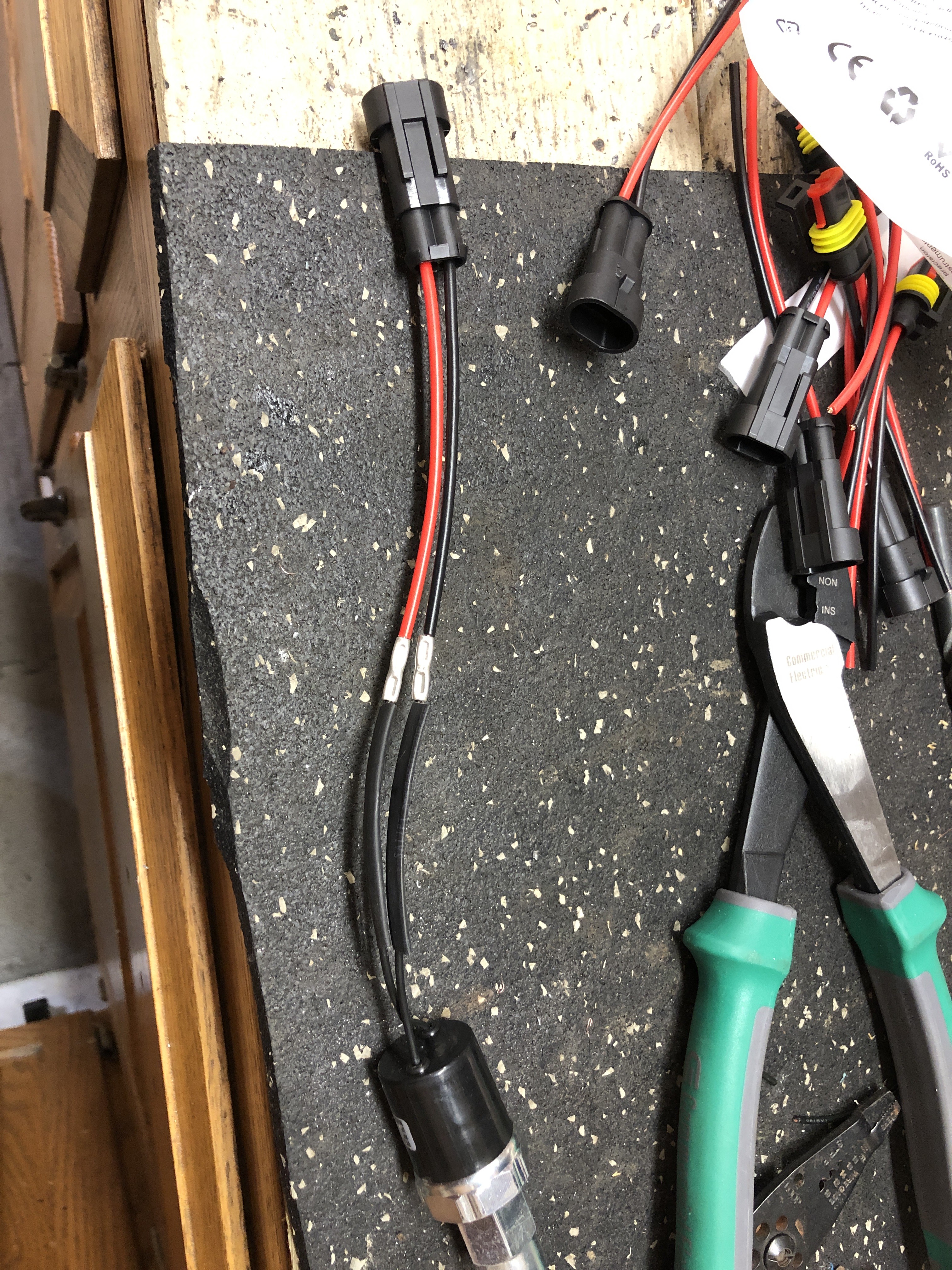
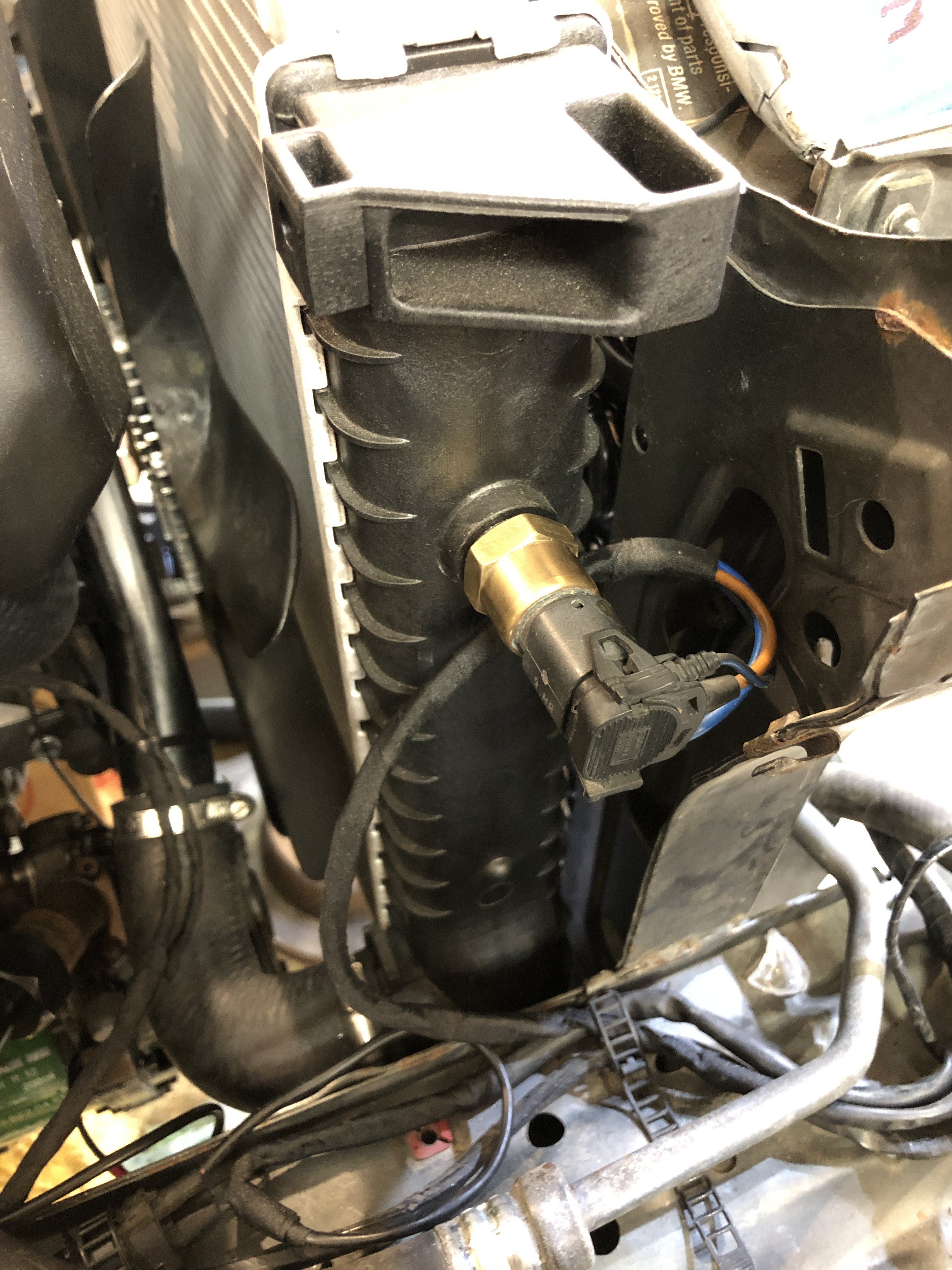
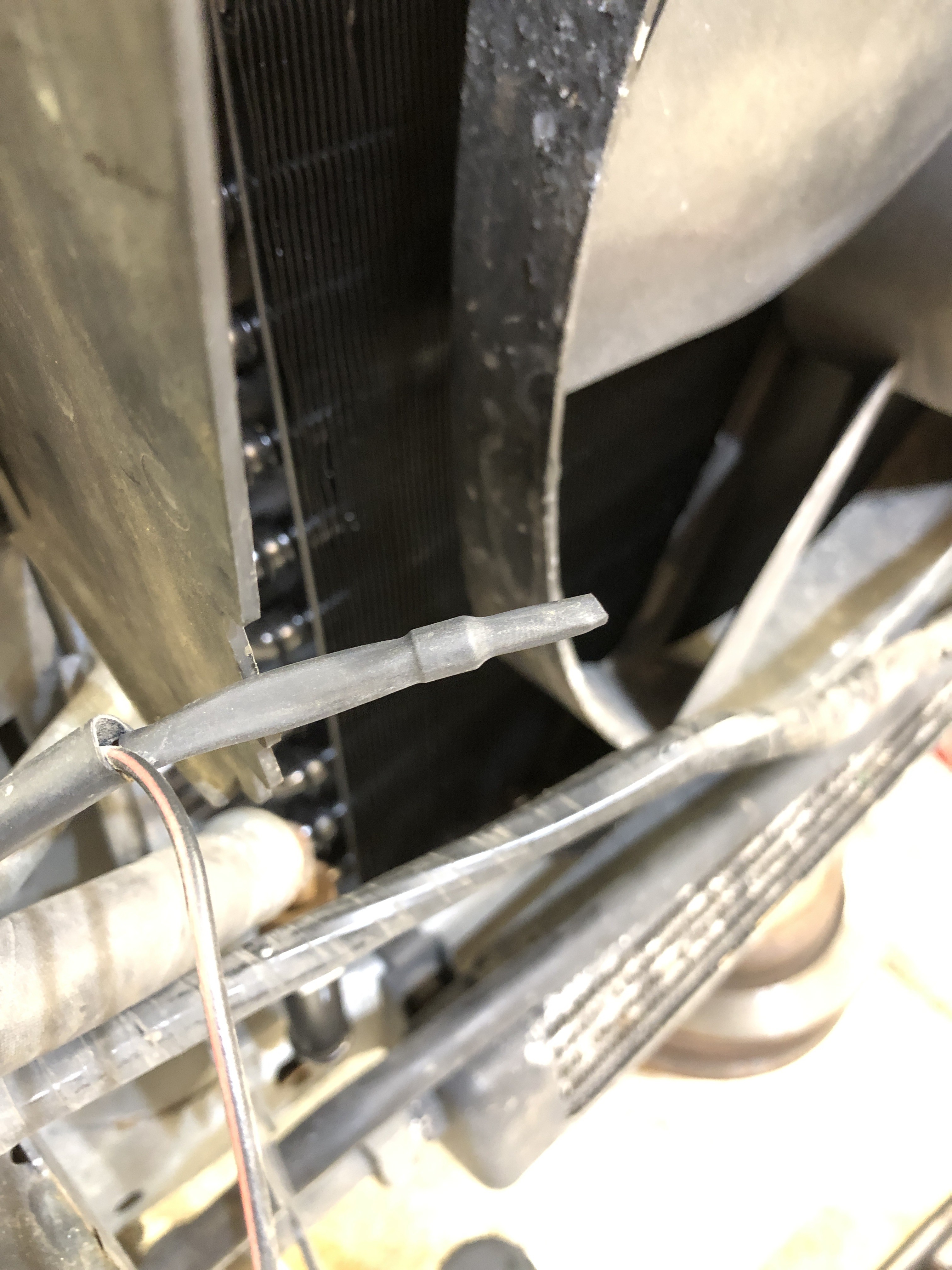
New pressure switch with the factory plug removed for a universal two plug connector. Also, never knew that non insulated crimp connected was a thing.
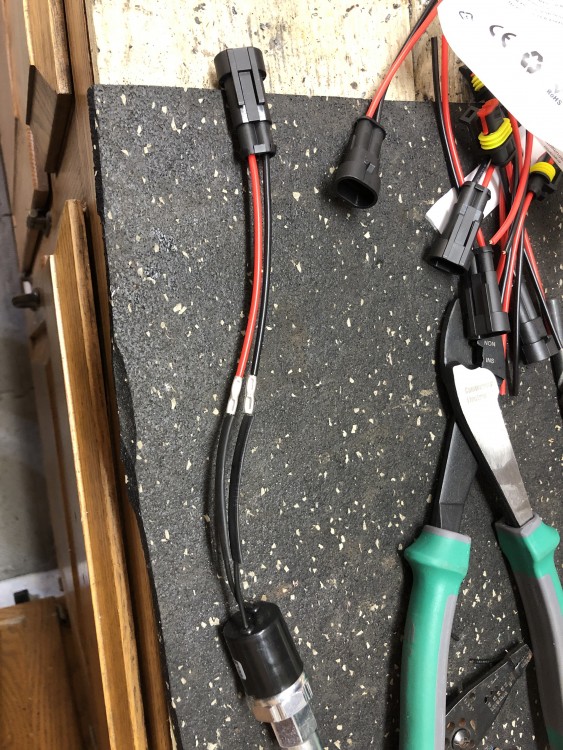
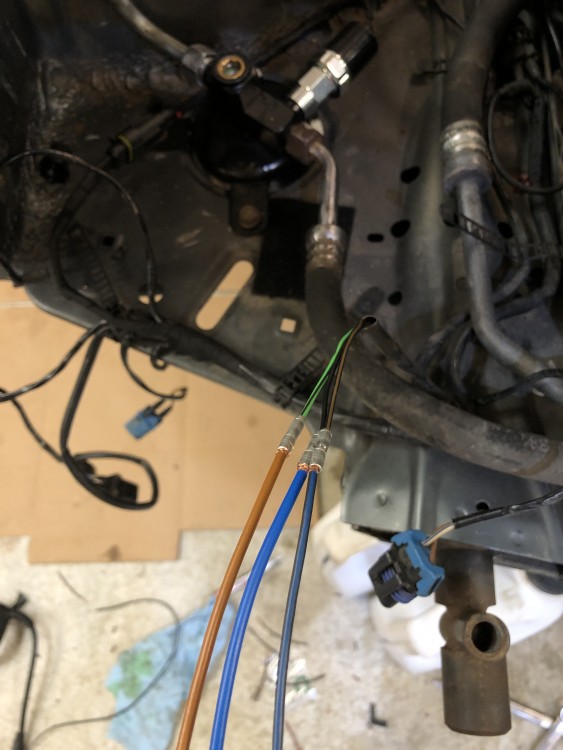
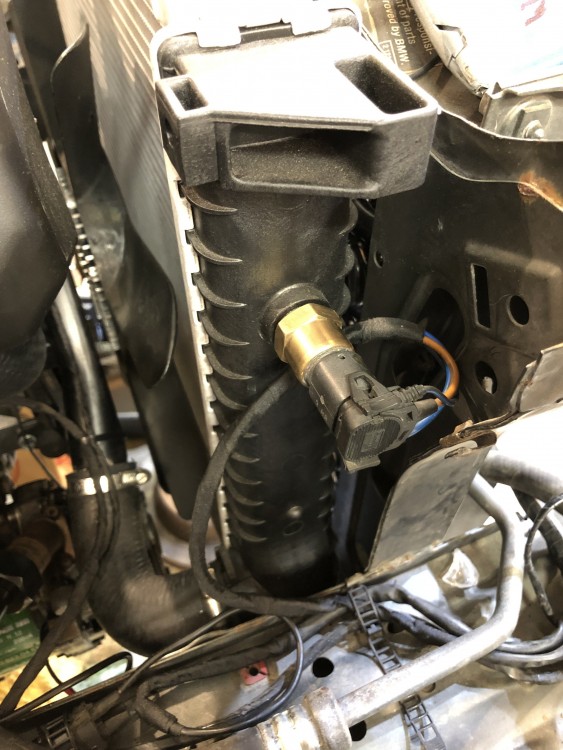
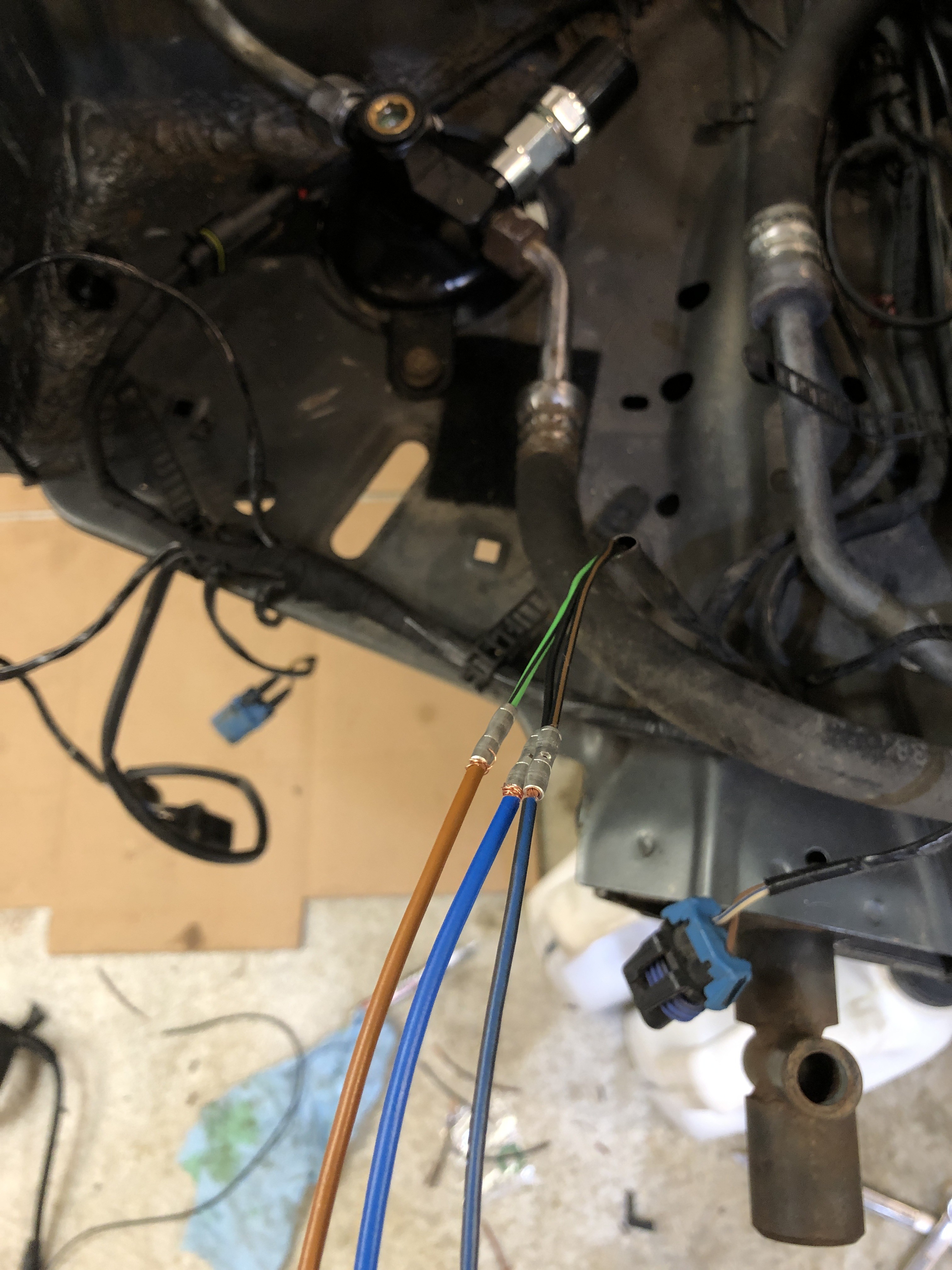
Aux fan temp switch plug spliced in since the other one had rotted apart. The wire gauge difference between the e30 and e36 is impressive
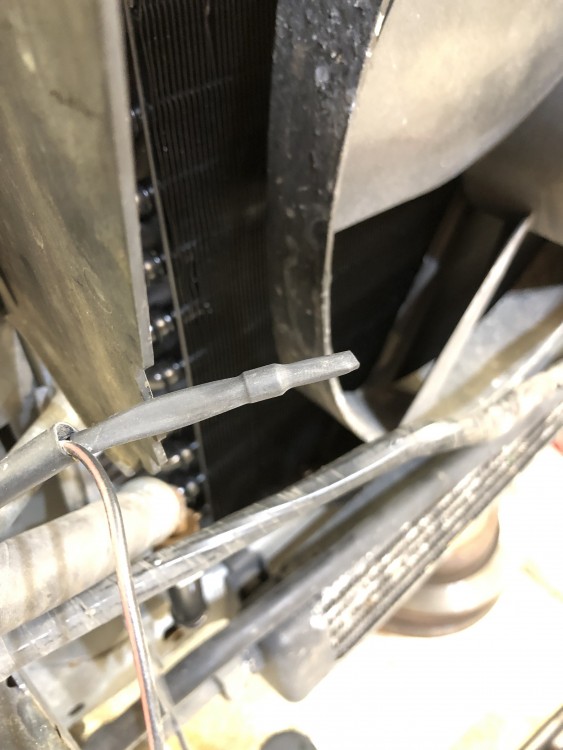
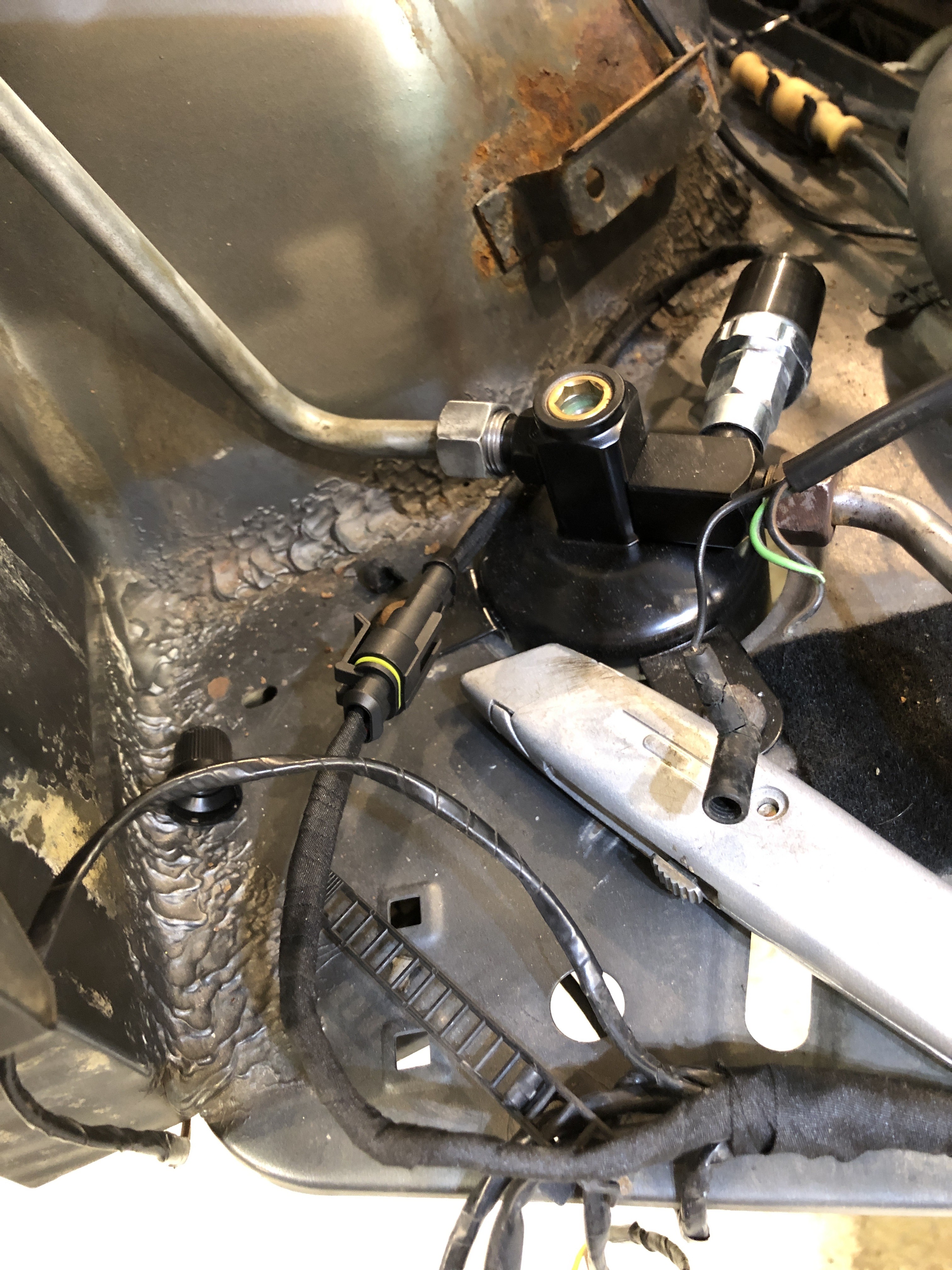
The old r12 high pressure sensor grounded to itself.
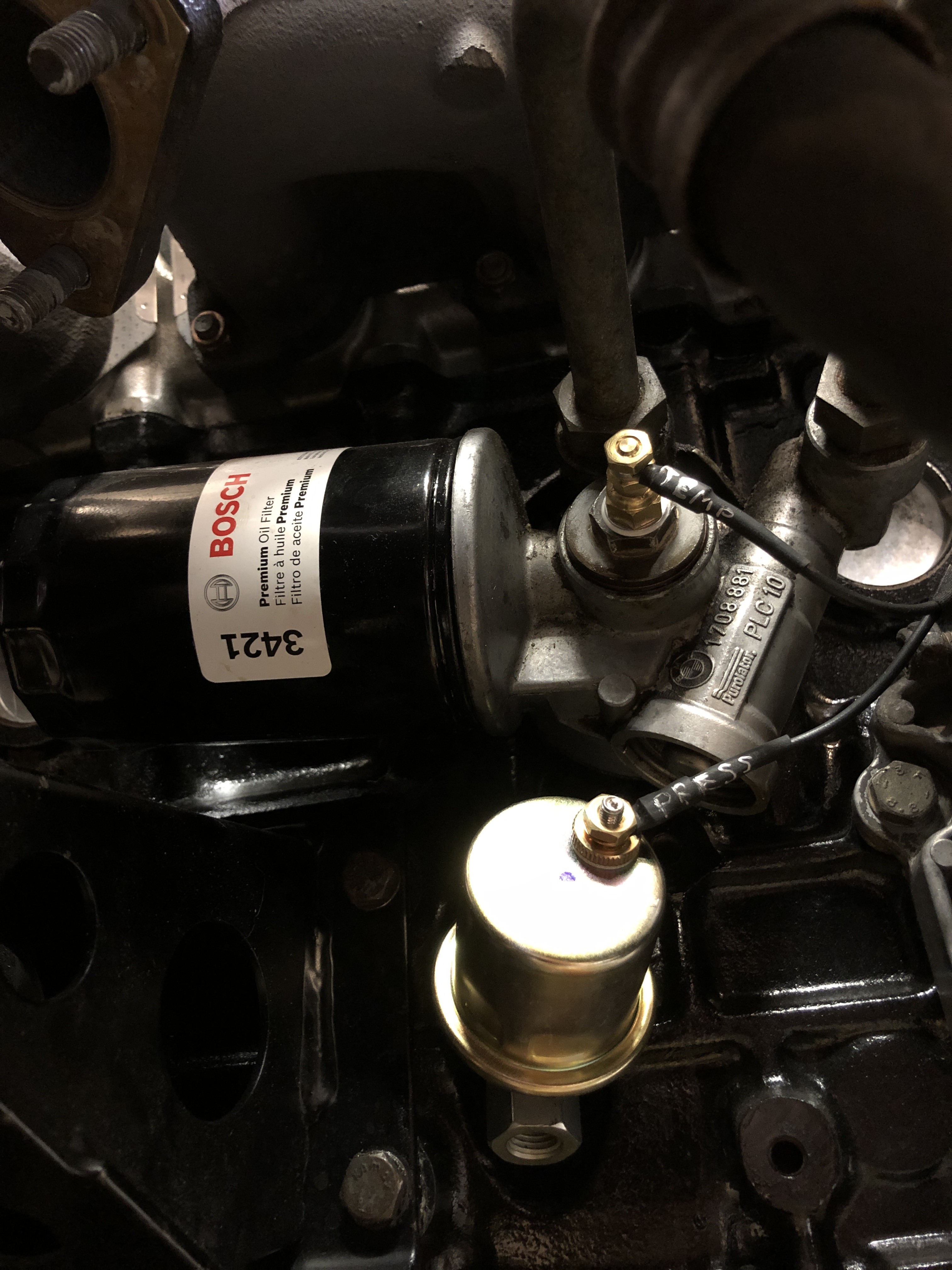
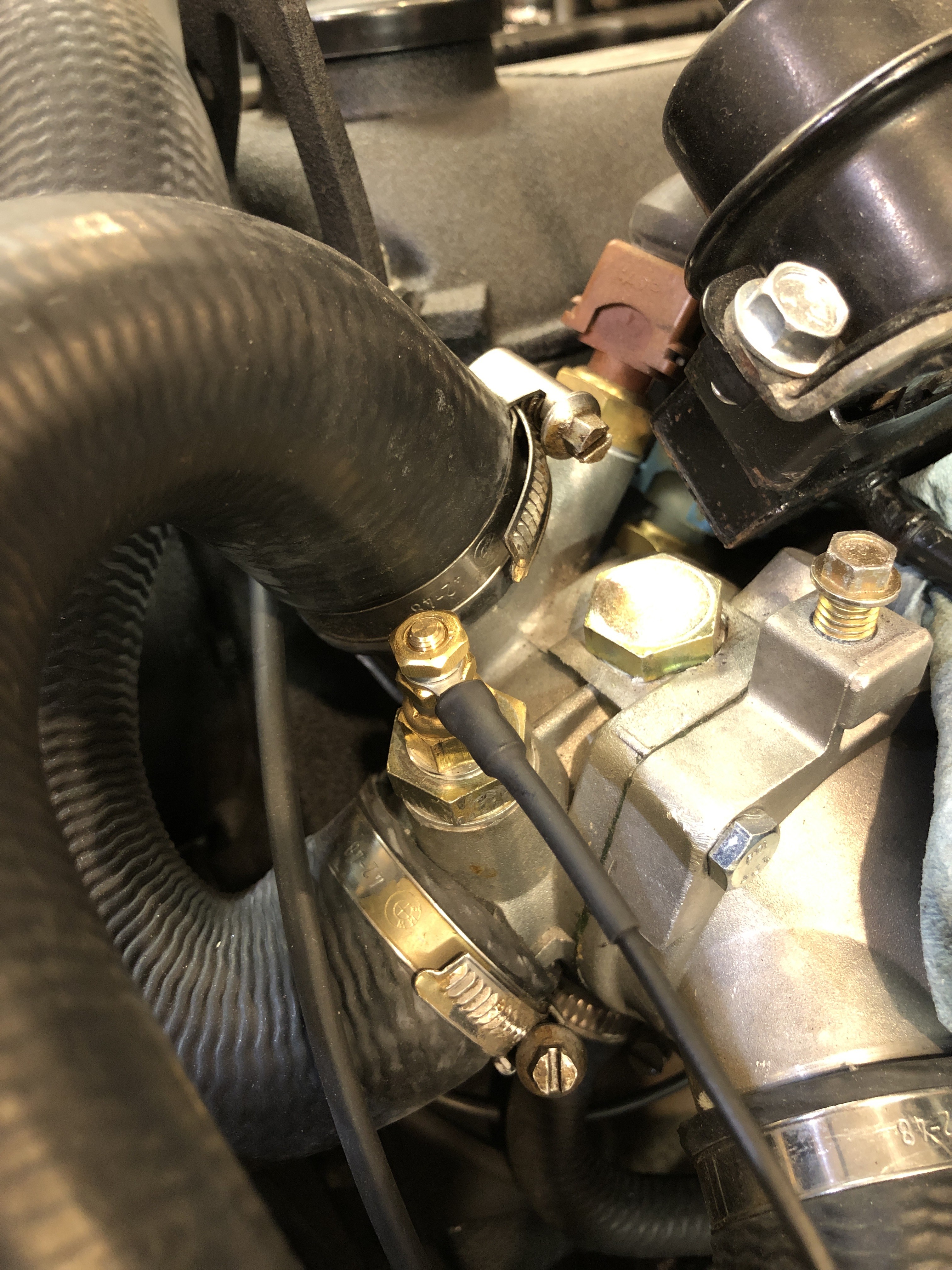
Got the gauge sender units all in.
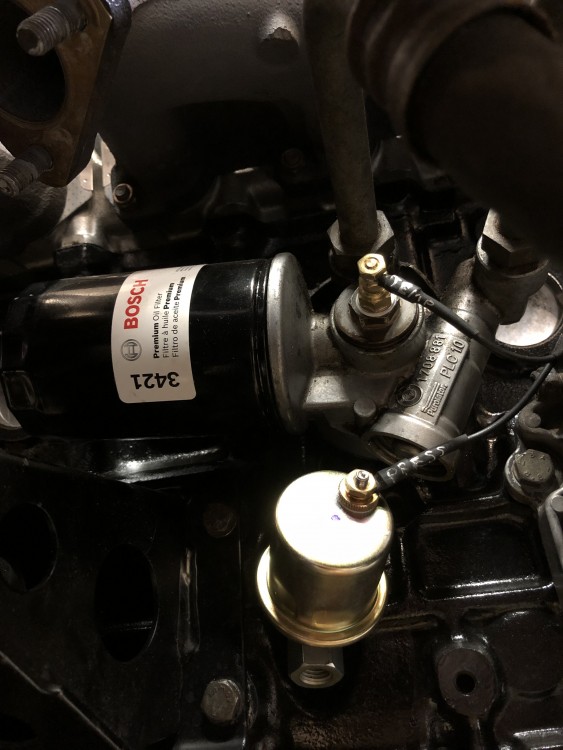
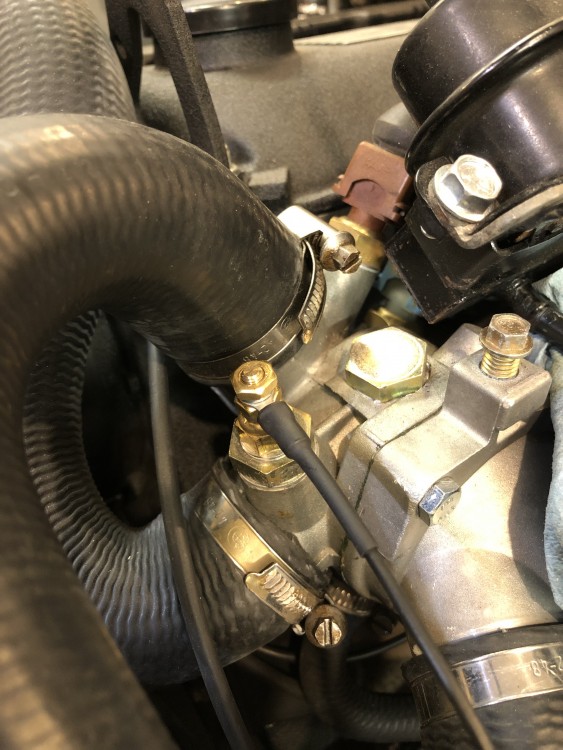
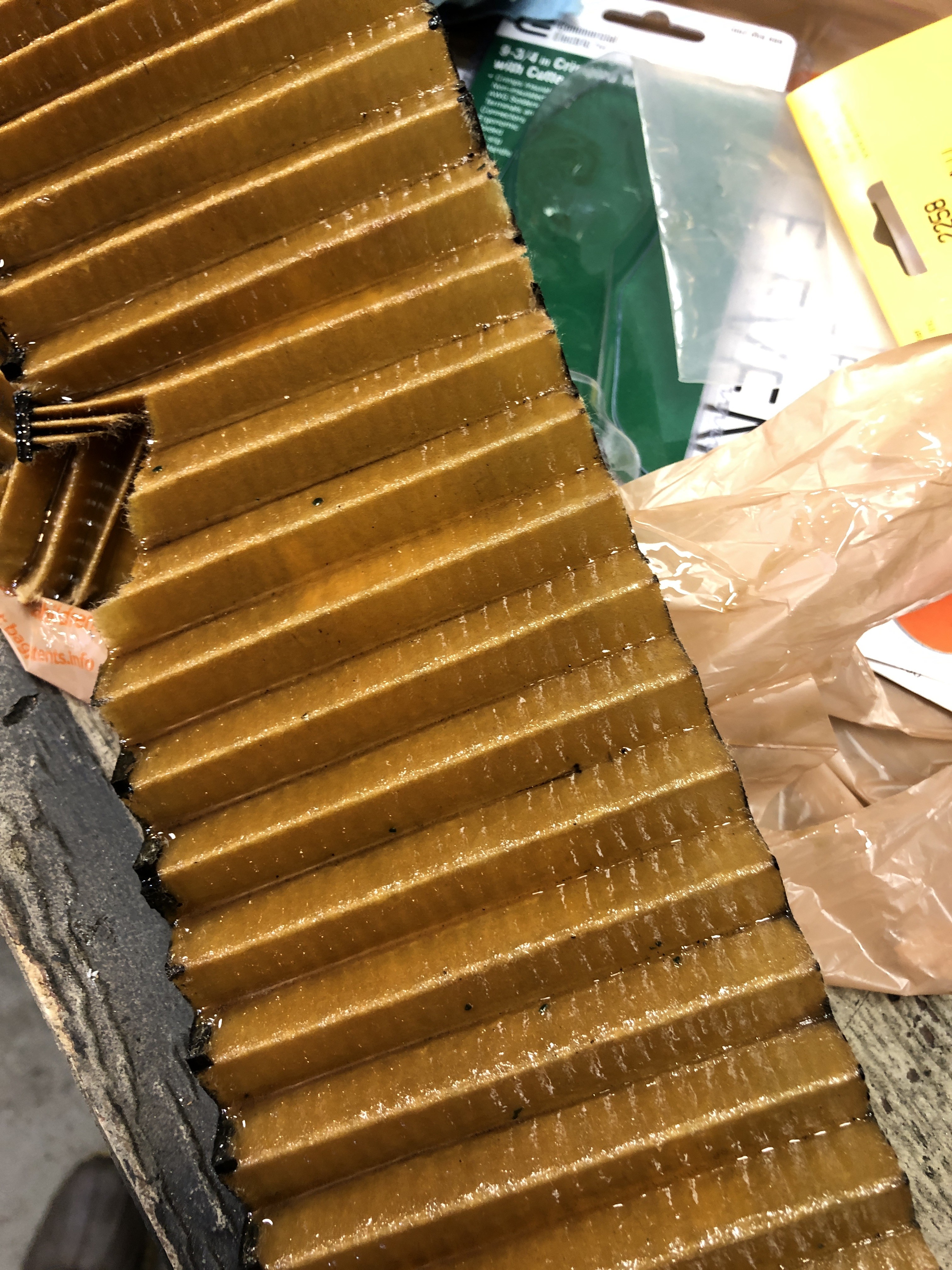
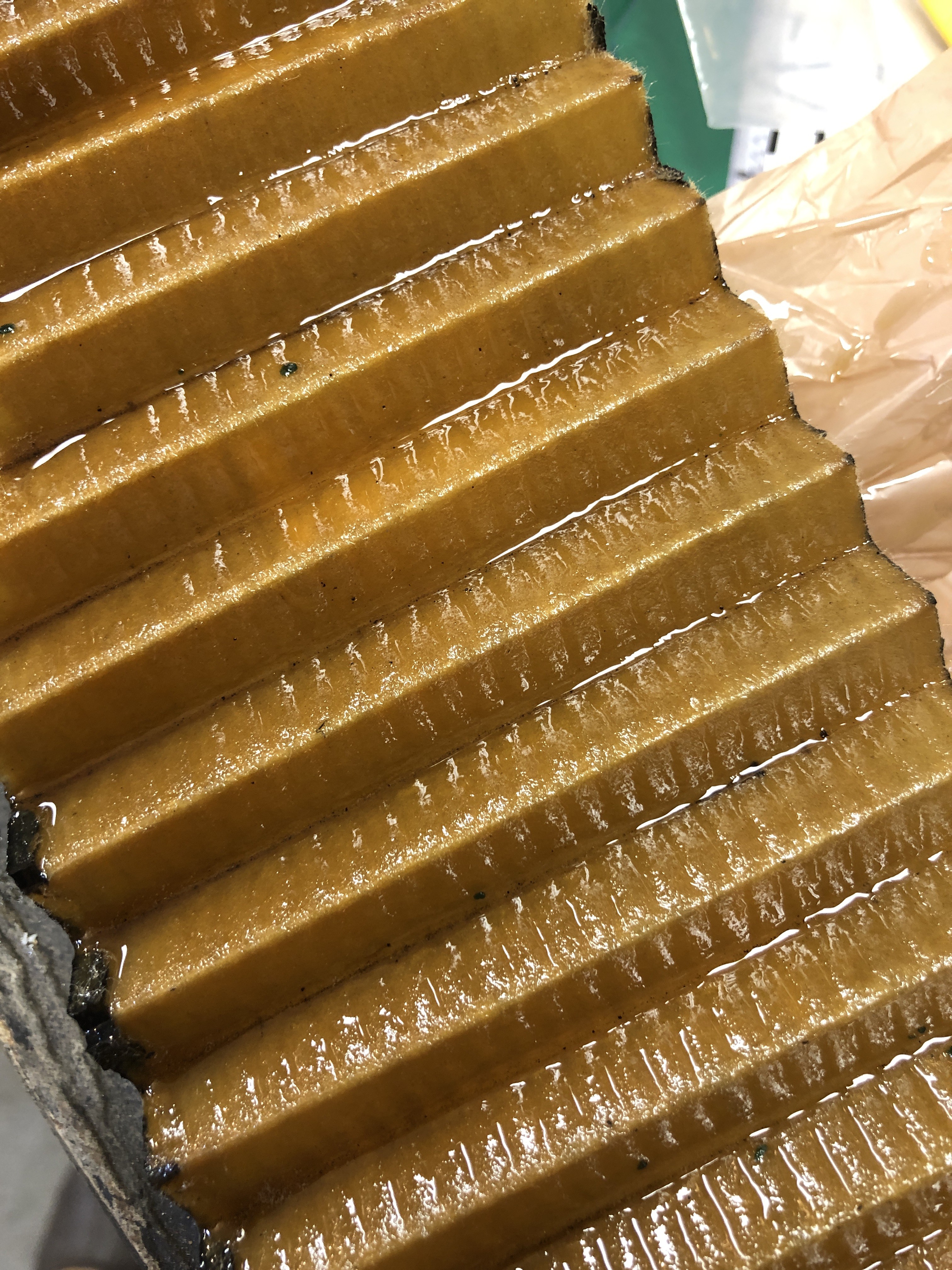
And lastly, took the oil filter apart. Looks pretty good to me.





Hello! It looks like you're interested in this conversation, but you don't have an account yet.
Getting fed up of having to scroll through the same posts each visit? When you register for an account, you'll always come back to exactly where you were before, and choose to be notified of new replies (either via email, or push notification). You'll also be able to save bookmarks and upvote posts to show your appreciation to other community members.
With your input, this post could be even better 💗
Register Login