
Non-BMW Stuff on a BMW Forum
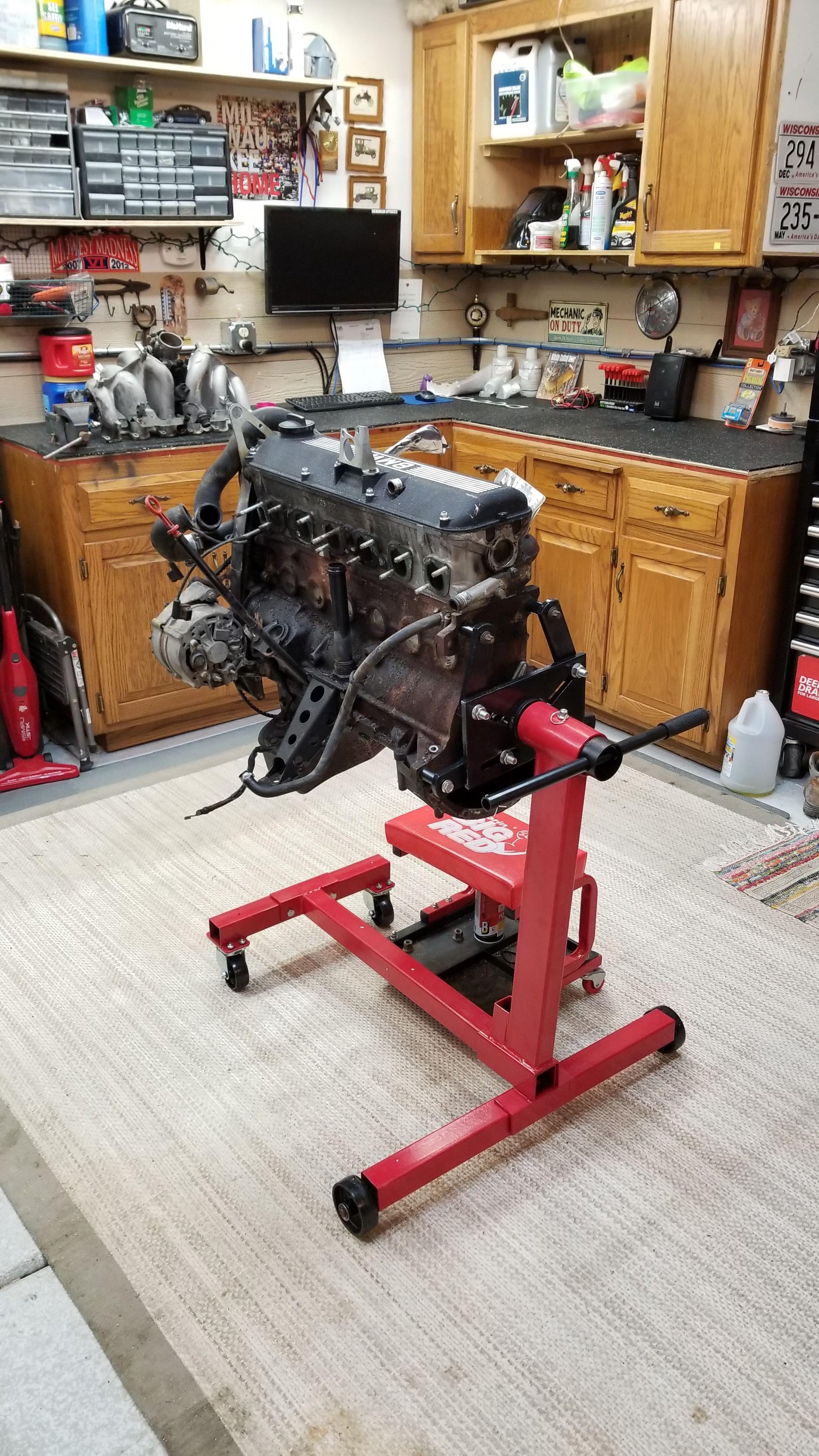
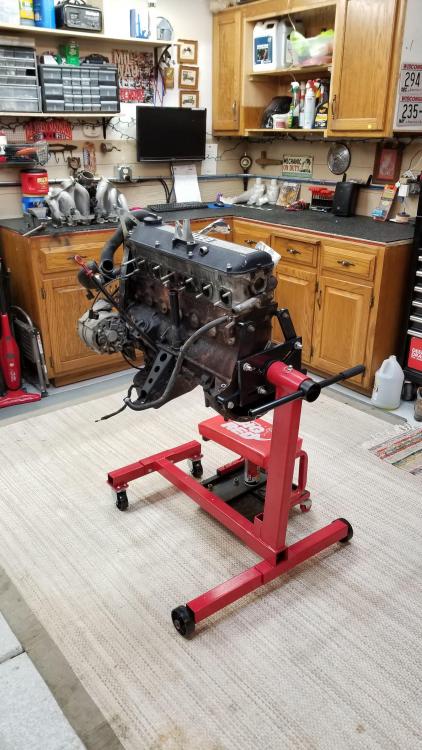
-
Two questions:
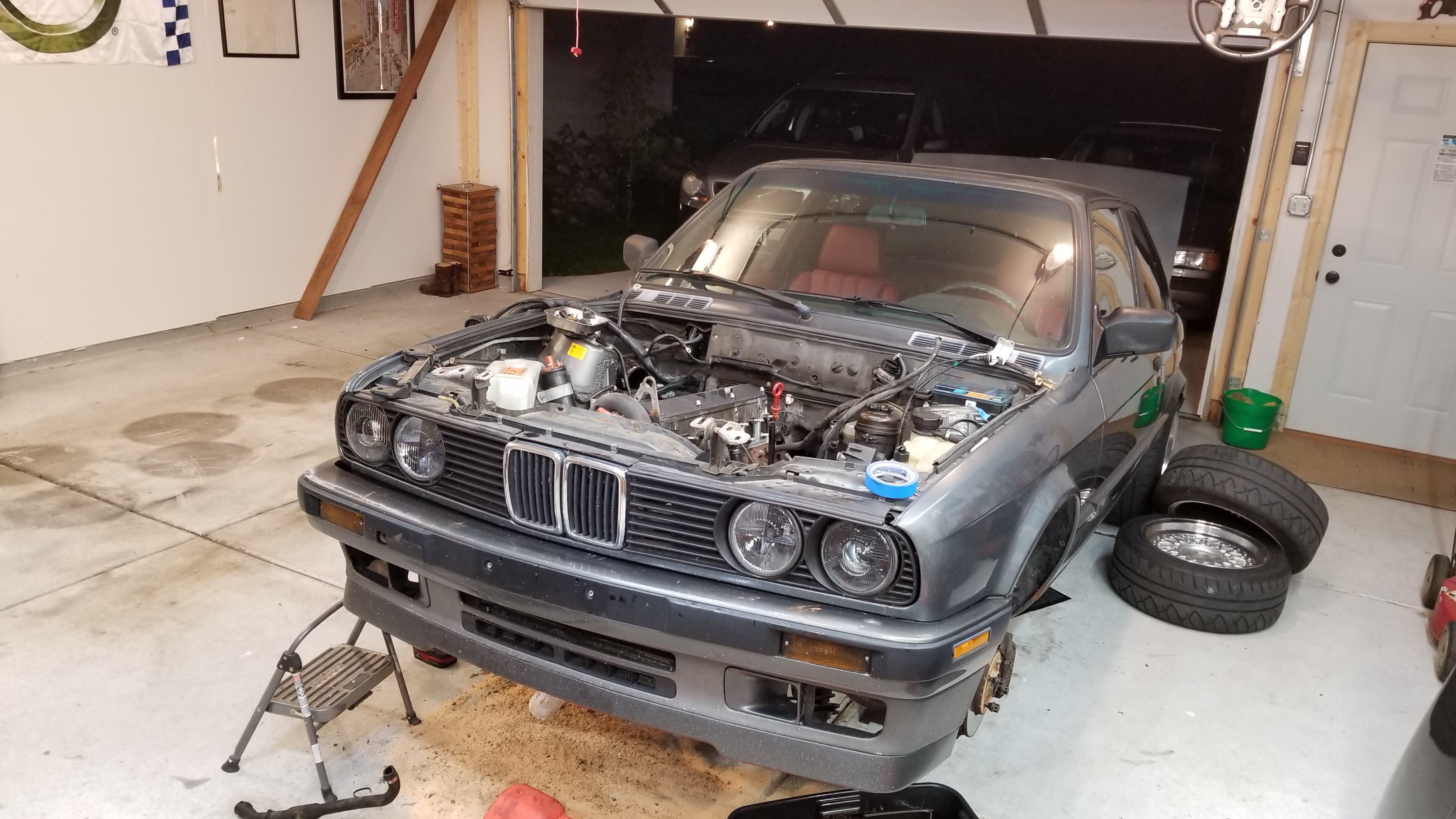
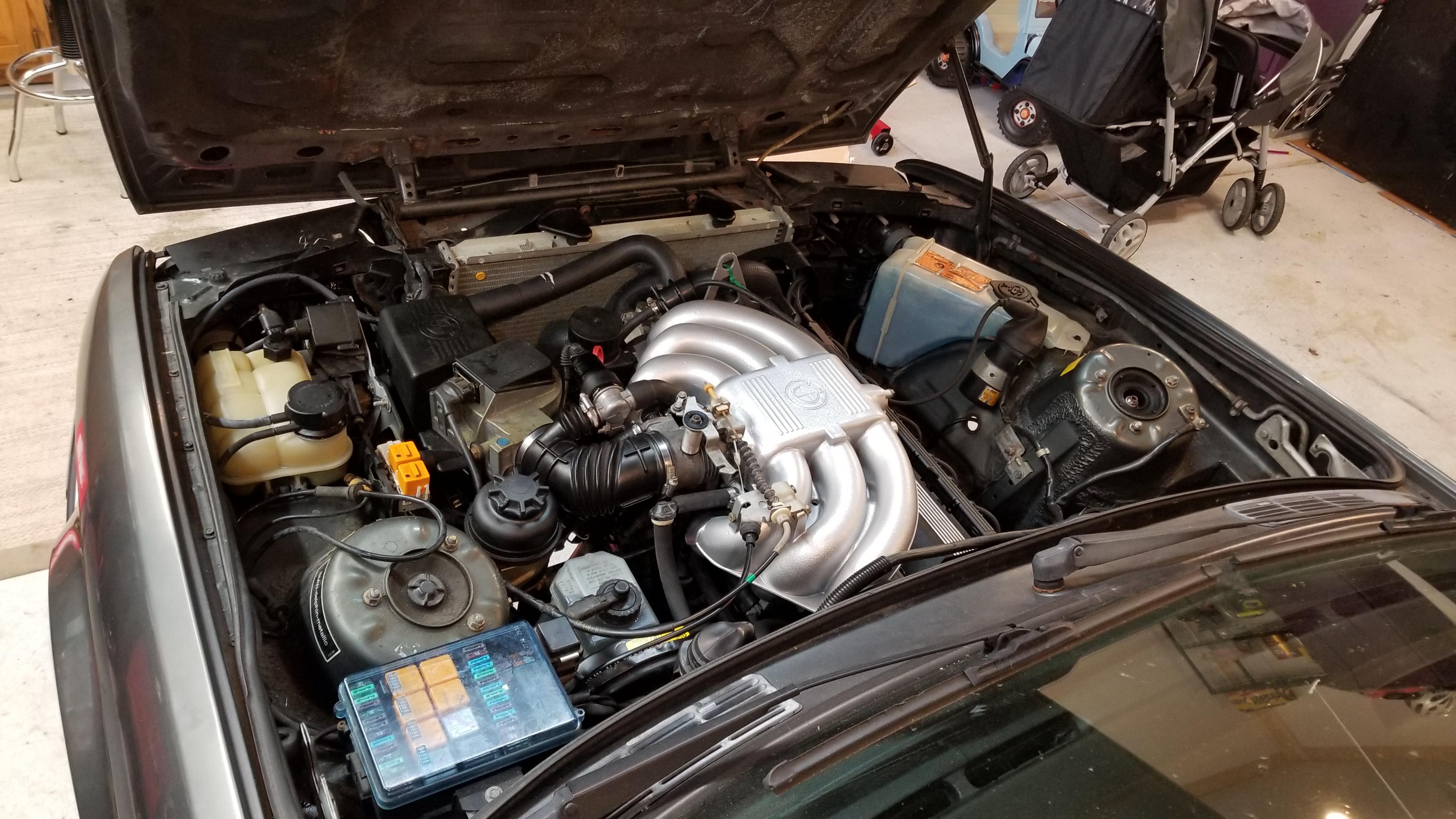
Where does this ground go?
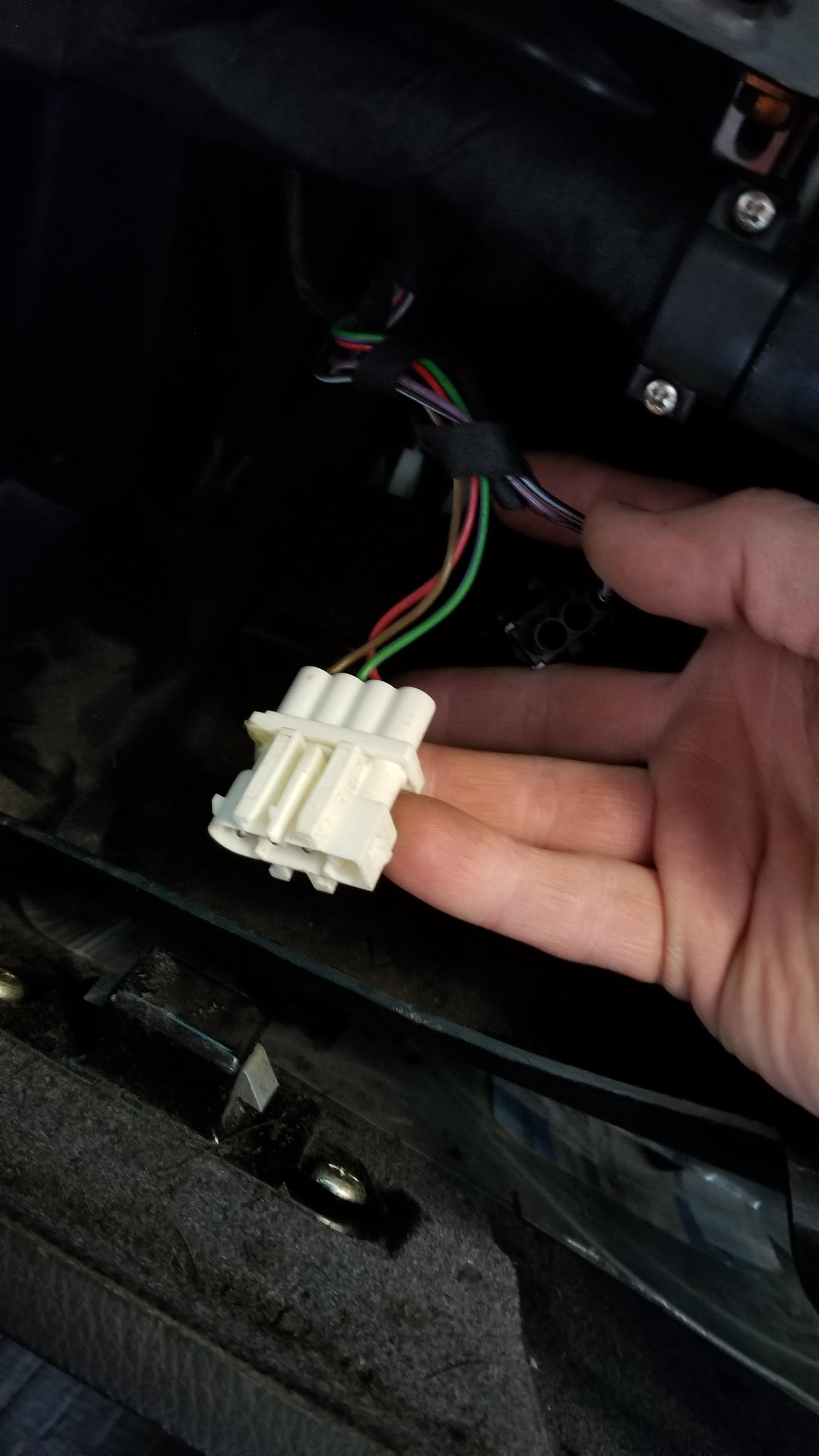
And what is this plug for? I found it bundled up by the DS strut tower.
Not sure were is that ground coming from? Directly from the battery? If so that should go directly to the block.
That plug looks to be one for the brake pad sensors/liners

https://www.instagram.com/_jdesigner_/ http://nevertoolow.tumblr.com/
🥳SOLD BMW E24 633CSI - BMW M30B32 🧪SOLD HCH ES9 - 1.3 LDA
👽BMW E30 325IC - Toyota 1JZ-GTE ⏰ HONDA EF9 CIVIC SI - JDM B18C5
☠️BMW E36 318i - Ford 5.0 FE302 🚴♂️ GT-Labomba - 26x2.75 Freeride
🤹♀️SOLD BMW E36/7 Z3 - BMW M54B25 🧓SOLD BMW E10 2002 - BMW M10M05 -
Not sure were is that ground coming from? Directly from the battery? If so that should go directly to the block.
That plug looks to be one for the brake pad sensors/liners
The ground is coming through the firewall, so I assume it must be coming from the battery. I'll look for a spot where it naturally wants to "fall".
Oh, didn't know this car had brake pad sensors. I guess I'll keep it bunched up there for now.
Thanks!
-
Oh, didn't know this car had brake pad sensors. I guess I'll keep it bunched up there for now.
many e30 guys just connect the two sensor wires and stop using the sensors. they can be finicky and the wires in the wheel well can corrode/break, so its easier to stop using them.
Dan
-
I would verify that the cable in question is indeed a ground, because it looks all too much like the positive battery cable for a starter. It has the same style blade and all.
I know that they are classically on the chassis harness, but it just strikes me as odd. -
I would verify that the cable in question is indeed a ground, because it looks all too much like the positive battery cable for a starter. It has the same style blade and all.
I know that they are classically on the chassis harness, but it just strikes me as odd.I think you're right. Damn. I vividly remember only bolting on one large red cable on the post (in addition to the two smaller cables on their individual posts). All the images I can find of the starter on the e30 shows two large cables on the same post; one being a large black cable. That red cable must be going to the alternator.
That would have been a really frustrating thing to diagnose. Good catch!
-
Yea I would assume its a the starter cable. I just assume that since you said ground that it was one.

https://www.instagram.com/_jdesigner_/ http://nevertoolow.tumblr.com/
🥳SOLD BMW E24 633CSI - BMW M30B32 🧪SOLD HCH ES9 - 1.3 LDA
👽BMW E30 325IC - Toyota 1JZ-GTE ⏰ HONDA EF9 CIVIC SI - JDM B18C5
☠️BMW E36 318i - Ford 5.0 FE302 🚴♂️ GT-Labomba - 26x2.75 Freeride
🤹♀️SOLD BMW E36/7 Z3 - BMW M54B25 🧓SOLD BMW E10 2002 - BMW M10M05 -
Yea I would assume its a the starter cable. I just assume that since you said ground that it was one.
I assumed it was a ground. On my past Volvos all the power leads were always red and grounds were black or blue.
-
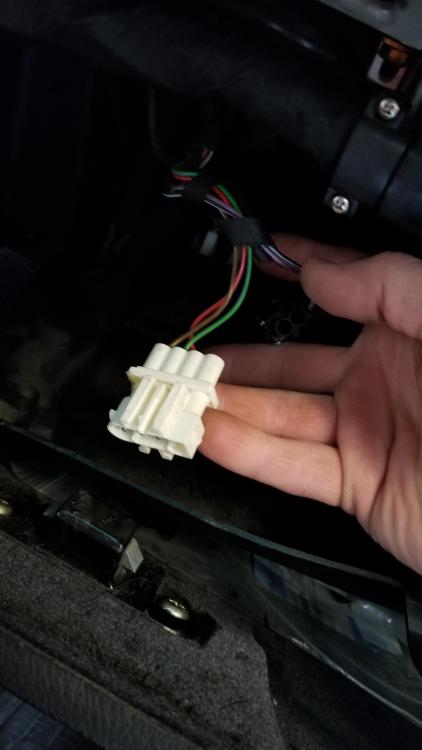
Anyone know what this plug is for behind the glove box by the ECU? Putting the interior back together and I don't see where this one should plug in.
Getting really close to starting this. Transmission is filled with fresh MTL, clutch is bled, engine has oil. The setback came when I filled it up with coolant and the thermostat cover was seeping. The part that sucked was the radiator was so full of crud on the bottom the drain valve didn't even work so I had to drain it by just removing the thermostat cover. Then I pulled the radiator and flushed it. Tons of gross stuff in there. That's back in. Tonight or tomorrow I'll fill it back up and then try starting it. The battery is charging now.
-
I believe that is an extra maybe for autos? The car will run without it
Works for me! Thank you
-
Okay, so it started up. Took some troubleshooting because I reversed the feed and return fuel lines. It sounded kinda gross at first but once it built oil pressure it sounded really good.
Two things I am noticing right now.
1. When I blip the throttle it kind of stumbles when the RPMs come back down.
2. The temp gauge was creeping past the middle mark on the gauge after about 10 mins of idling on jack stands. It does not have an electric fan, but hasn't had one in who knows how long and it was fine. My thought is maybe the coolant system needs to be bled since it was COMPLETELY drained.
Edit: Going to try adjusting the throttle body some to address the stumble.
-
Okay, so it started up. Took some troubleshooting because I reversed the feed and return fuel lines. It sounded kinda gross at first but once it built oil pressure it sounded really good.
Two things I am noticing right now.
1. When I blip the throttle it kind of stumbles when the RPMs come back down.
2. The temp gauge was creeping past the middle mark on the gauge after about 10 mins of idling on jack stands. It does not have an electric fan, but hasn't had one in who knows how long and it was fine. My thought is maybe the coolant system needs to be bled since it was COMPLETELY drained.
Edit: Going to try adjusting the throttle body some to address the stumble.
I’ve had issues with the same stumbling, although it was accompanied by a somewhat poor idle. Check for vacuum leaks and make sure the throttle position sensor is adjusted correctly and work from there. What do you mean by adjusting the throttle body? I wouldn’t touch the adjustment screw, just make sure the cable isn’t sitting too tight so that it holds the throttle open slightly. That’ll screw with the TPS reading.
For cooling, I would definitely bleed it and then see what happens. If it was totally empty, there’s probably a good bit of air in there still.
-
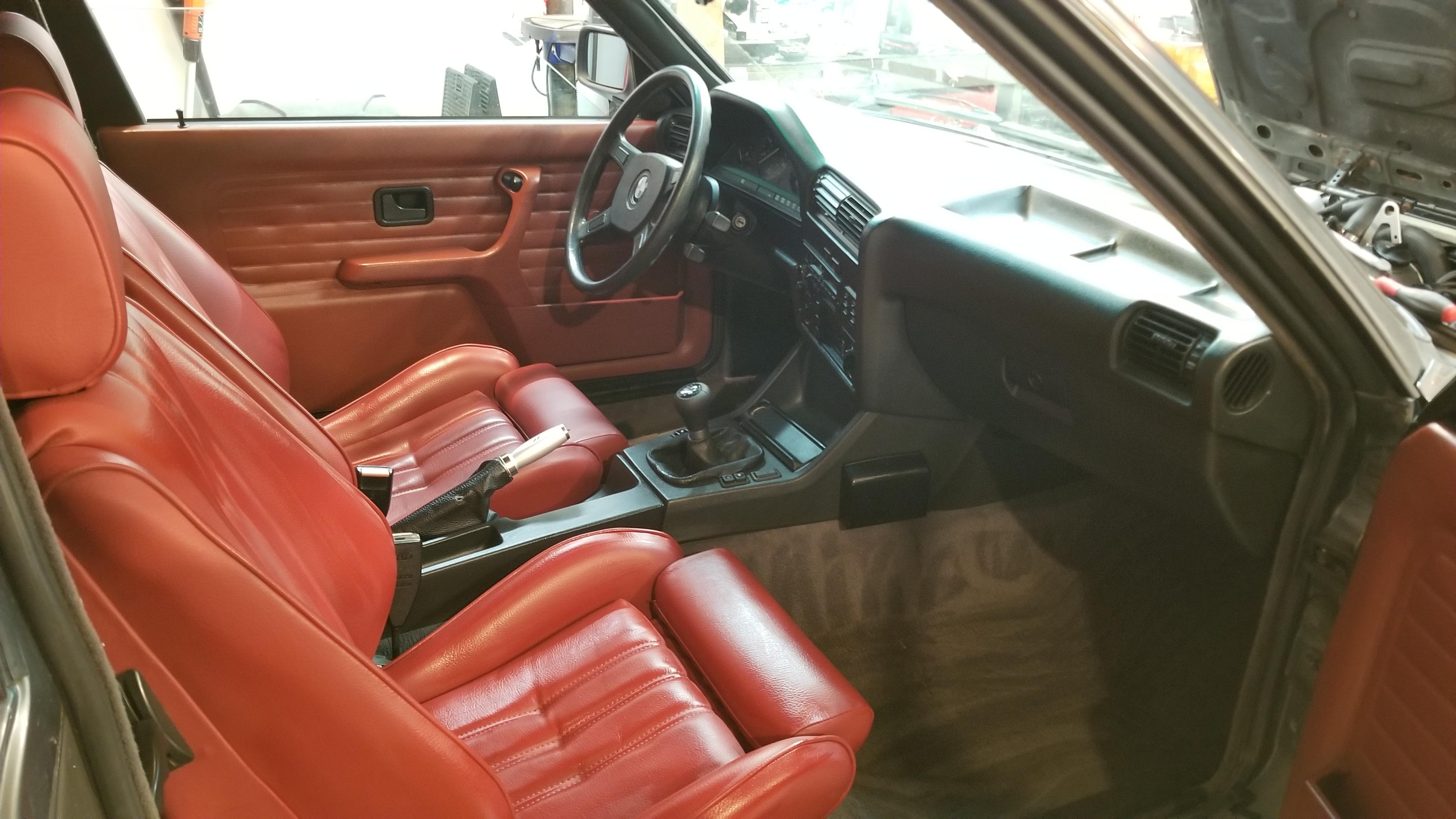
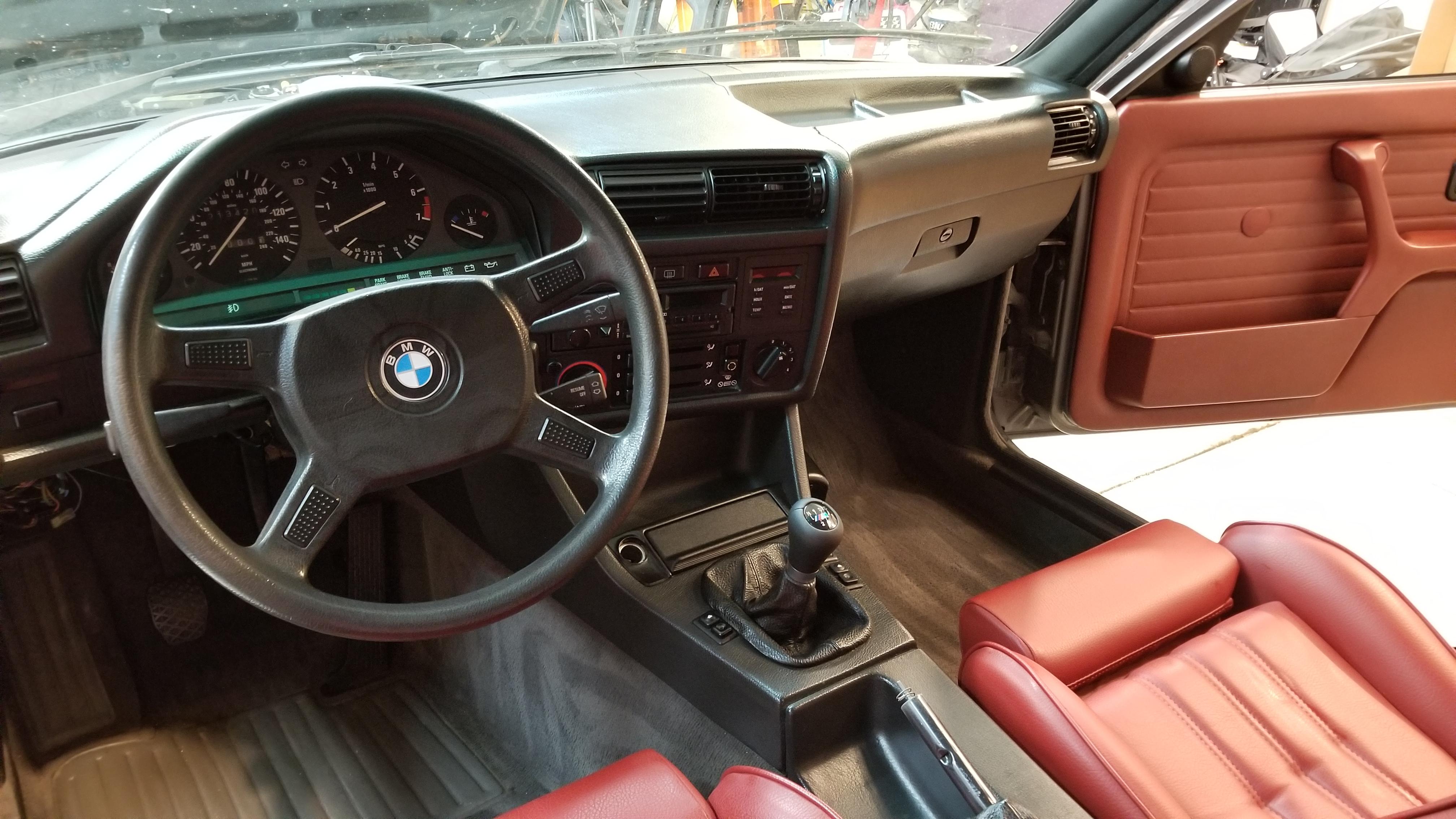
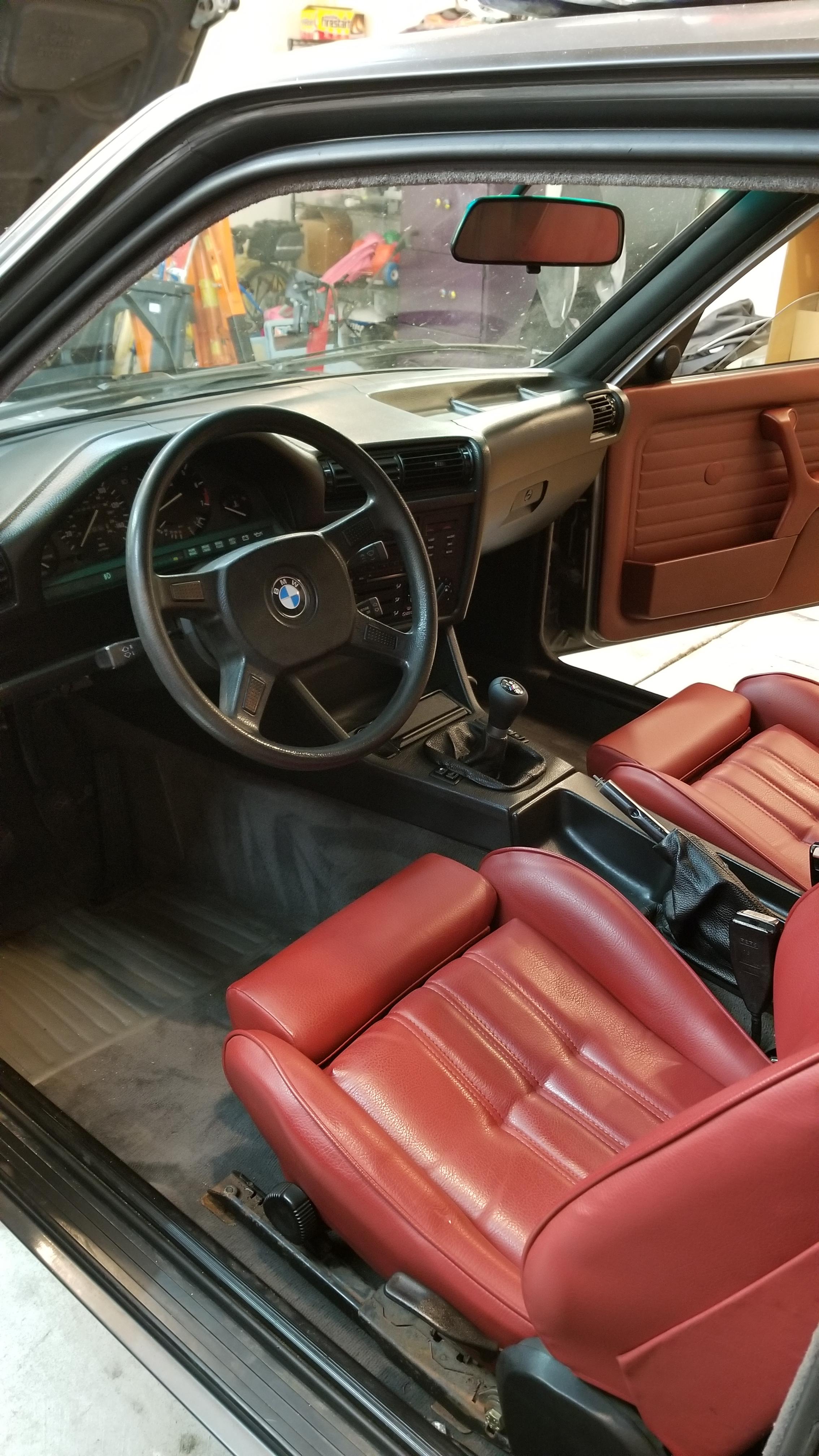
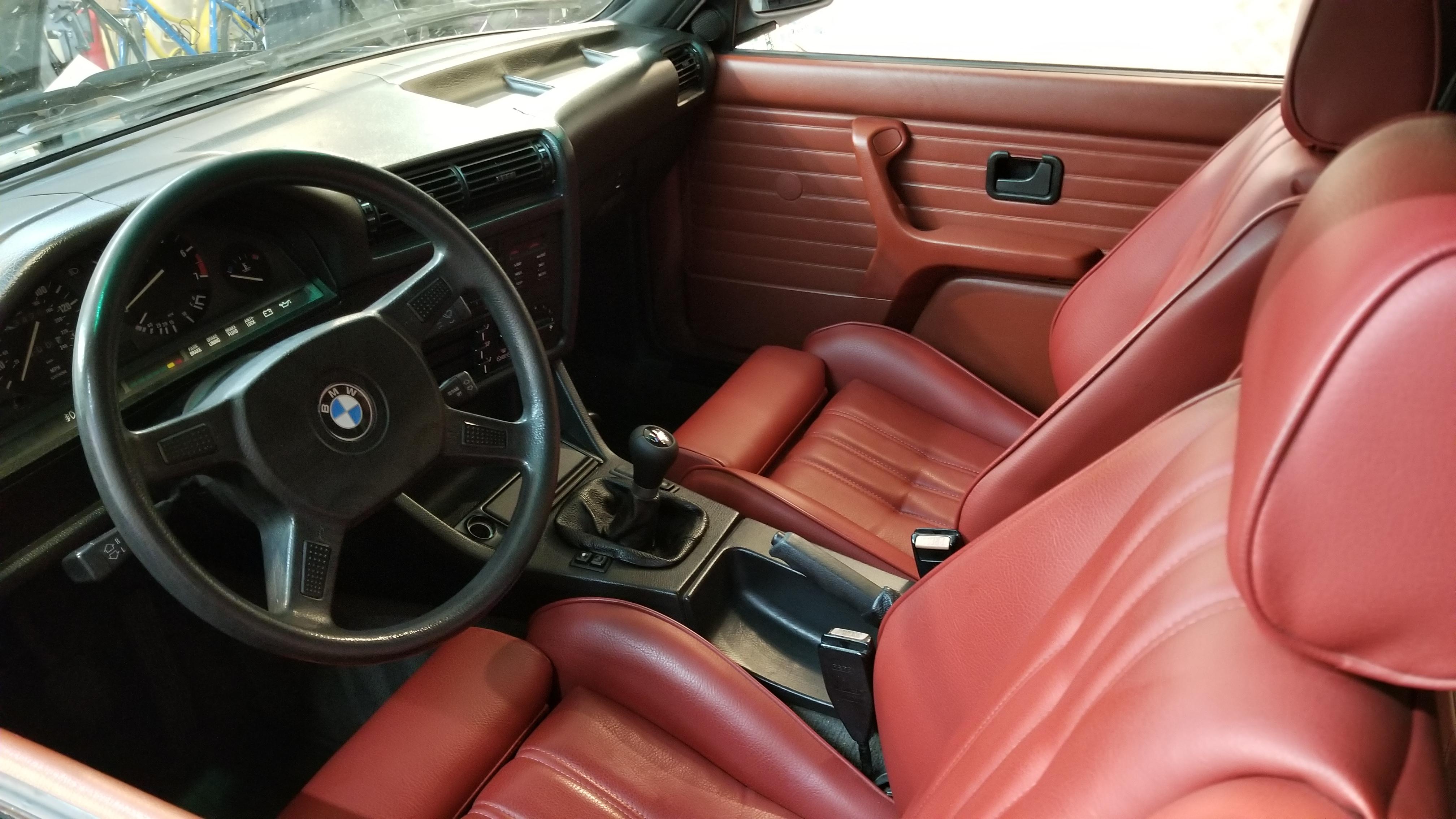
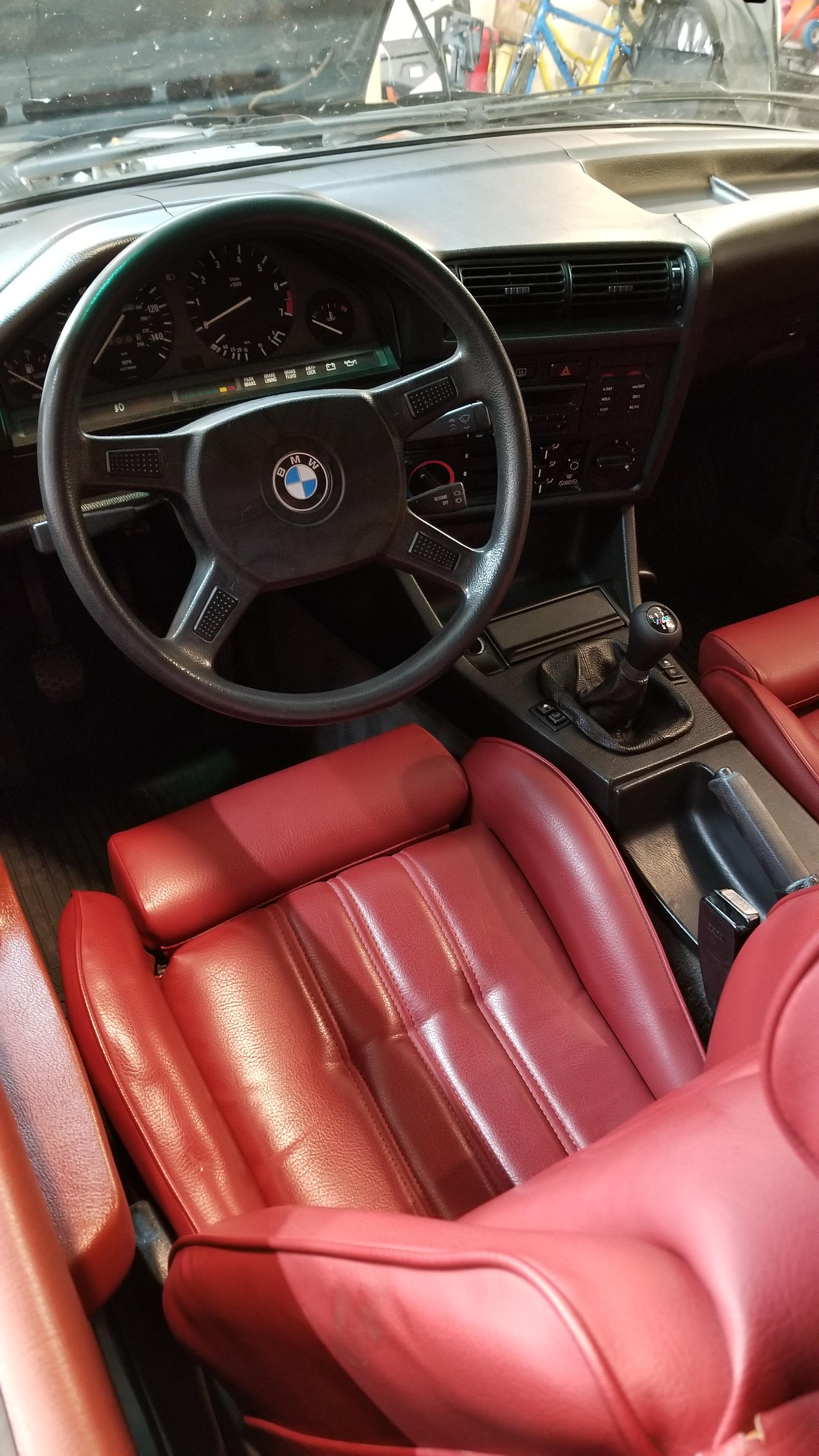
Got the coolant system bled tonight. Some hot heat in the car. Also replaced the ebrake handle and new floor mats.
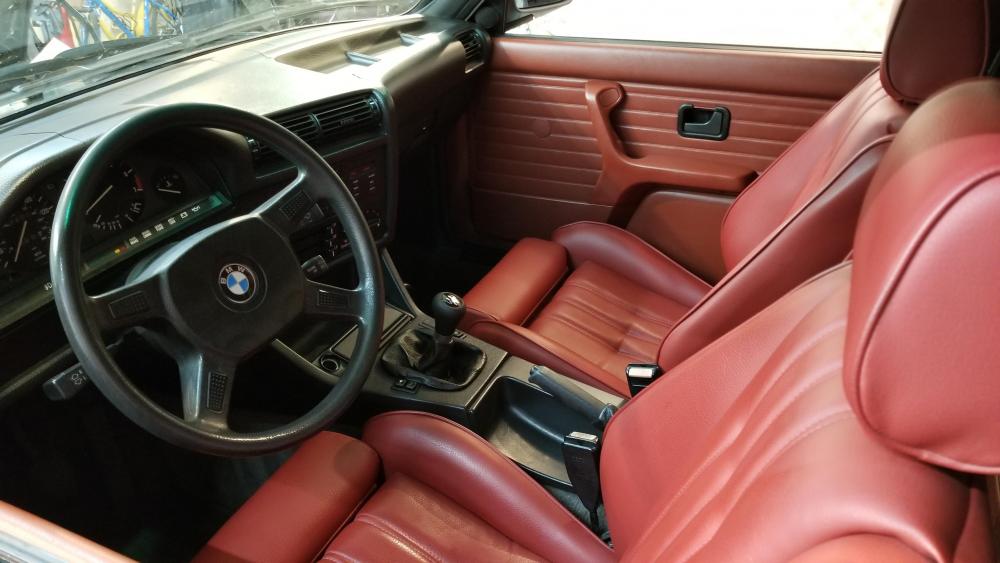
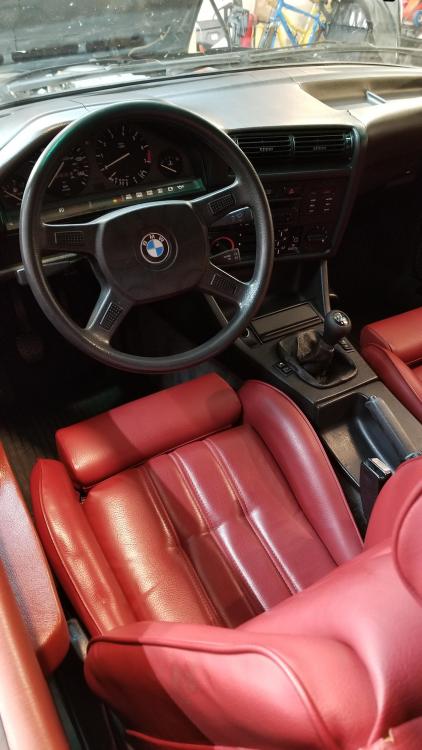
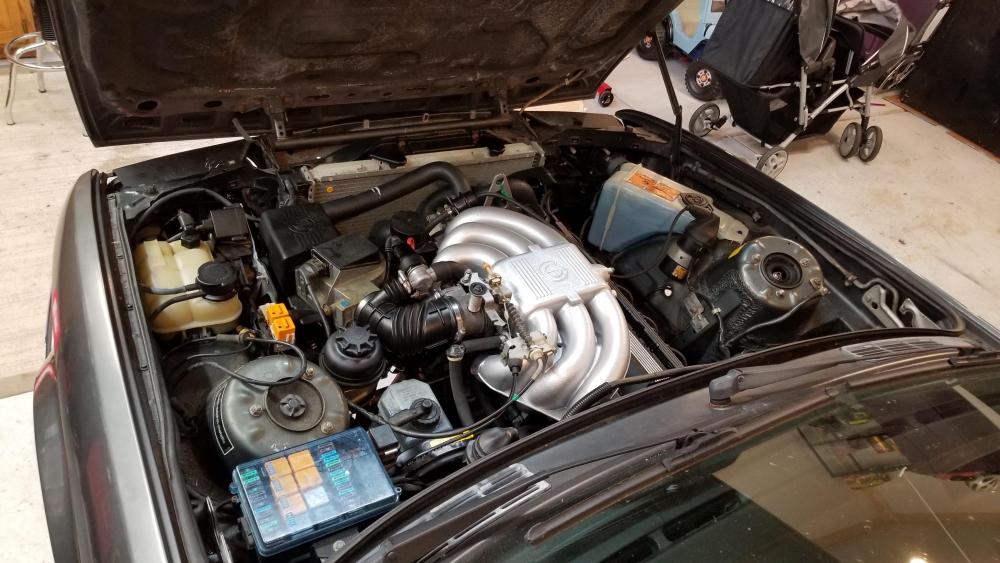
One question I do have: each cold start up the engine was relatively loud, after a couple minutes it quieted down and sounded great. So I guess I'm wondering what you guys run for oil when its cooler out like this? I have Castrol 20w50 in it now per some other forums. But I did read that when it gets to these temps a 10 or 15w40 is recommended. I think I'm going to change the oil to a slightly thinner one and see if that helps.
-
Way too thick, the incorrect general internet advice is to run mega thick oil. However the thicker the oil it may show high oil pressures on a gauge which people think is good but the oil pressure is not what keeps metal contact from happening. Think about it this way, there is roughly one square inch of bearing area that a connecting rod journal forces down on. If 60PSI is your maximum oil pressure, that is roughly what the pressure relief valve vents at, then it would only resist 60 pounds of force when combustion happens. If you only have 60 pounds of force you aren't going anywhere. Just from compression pressure say 150PSI x the area of the piston (3.5/2)2 x 3.14 = 9.6 square inches. You end up with a force down of 9.6*150= 1440 pounds, and that is before combustion starts.
The bearings in an engine work on the principle of hydrodynamic lubrication. Which requires oil FLOW not PRESSURE. https://en.wikipedia.org/wiki/Fluid_bearing
TLDR: The ideal oil weight is thick enough to maintain oil pressure above minimum spec when the engine is idling and fully hot. Usually a quality 5w30 is not a problem unless the engine is very worn. I use 5w30 in my M50 that has almost 300k miles and I don't ever have a flicker on the oil pressure gauge. Thick fluid is hard to pump and will not circulate as well causing a lack of lubrication, even worse when the weather is getting cool.
My recommendation is 5w30, use a 10w40 if you are paranoid and don't trust modern synthetic oil. But never 20w50 no matter how much the internets say to, the noise you hear is a lack of lubrication.
And FYI oil pressure spec at idle is only around 7 PSI.
-
TLDR: The ideal oil weight is thick enough to maintain oil pressure above minimum spec when the engine is idling and fully hot. Usually a quality 5w30 is not a problem unless the engine is very worn. I use 5w30 in my M50 that has almost 300k miles and I don't ever have a flicker on the oil pressure gauge. Thick fluid is hard to pump and will not circulate as well causing a lack of lubrication, even worse when the weather is getting cool.
My recommendation is 5w30, use a 10w40 if you are paranoid and don't trust modern synthetic oil. But never 20w50 no matter how much the internets say to, the noise you hear is a lack of lubrication.
And FYI oil pressure spec at idle is only around 7 PSI.
Thanks for the input. Then I am going to pick up some 10w40 Castrol GTX to put in there.
I also read a lot about people using additives as well. Any need to use something if I'm running 10w40 GTX?
-
Think about it this way, there is roughly one square inch of bearing area that a connecting rod journal forces down on. If 60PSI is your maximum oil pressure, that is roughly what the pressure relief valve vents at, then it would only resist 60 pounds of force when combustion happens. If you only have 60 pounds of force you aren't going anywhere. Just from compression pressure say 150PSI x the area of the piston (3.5/2)2 x 3.14 = 9.6 square inches. You end up with a force down of 9.6*150= 1440 pounds, and that is before combustion starts.
Not here to argue anything, but to simply point out that this logic isn't exactly sound.
This would be the case if you were to have the whole surface of the bearing being an oil passage, but it is instead adding oil into the bearing area to provide a fluid film.It's not uncommon to see 6-8psi oil pressure at idle, and if you were to be worried about the direct force acting on it you would never see oil going into the bearing.
But I agree, 20w50 is far too thick for that motor, only M30's seem to need that kind of honey in the summer.
You could add some zinc additive to the oil if desired, I know @snap should have some suggestions in that department.





Hello! It looks like you're interested in this conversation, but you don't have an account yet.
Getting fed up of having to scroll through the same posts each visit? When you register for an account, you'll always come back to exactly where you were before, and choose to be notified of new replies (either via email, or push notification). You'll also be able to save bookmarks and upvote posts to show your appreciation to other community members.
With your input, this post could be even better 💗
Register Login