
E9 Racer Stuff
-
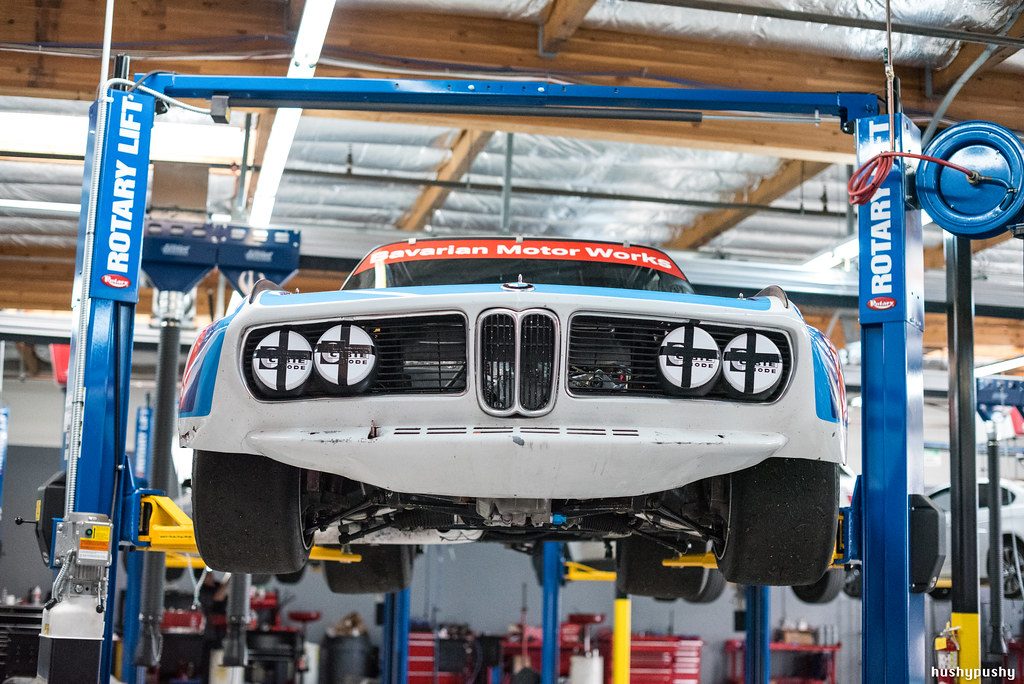
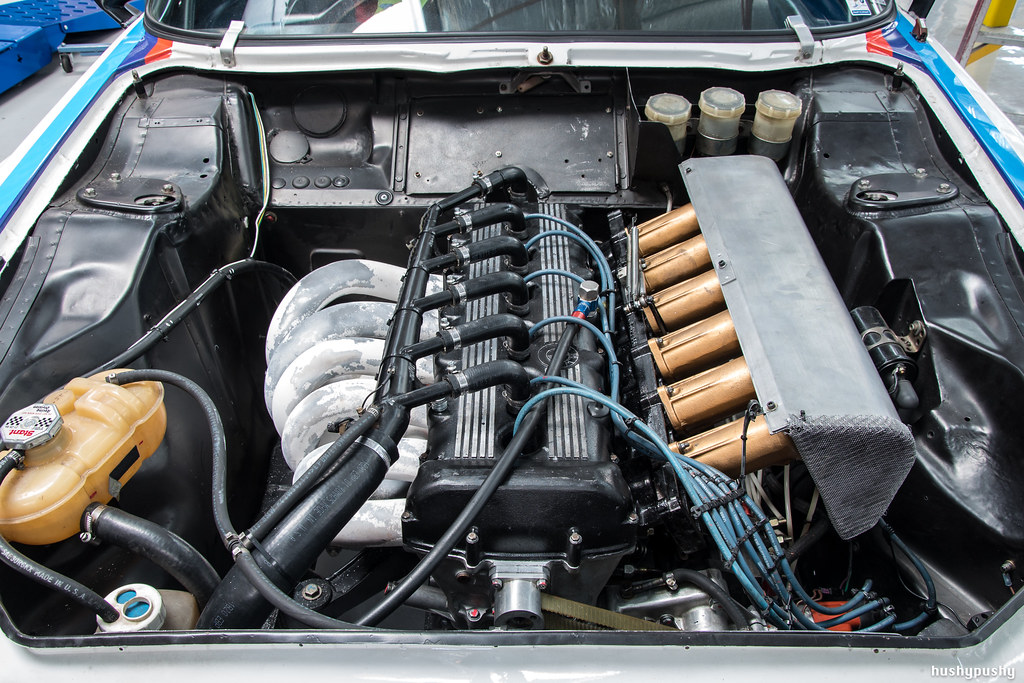
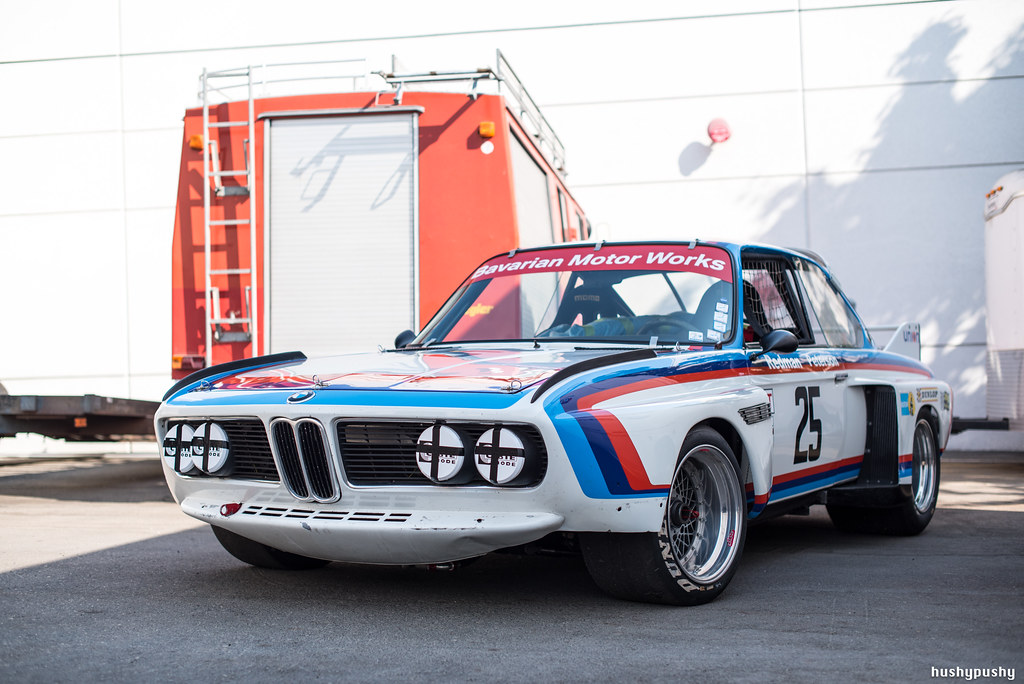

But what I REALLY wanted to look at and talk about is THIS:
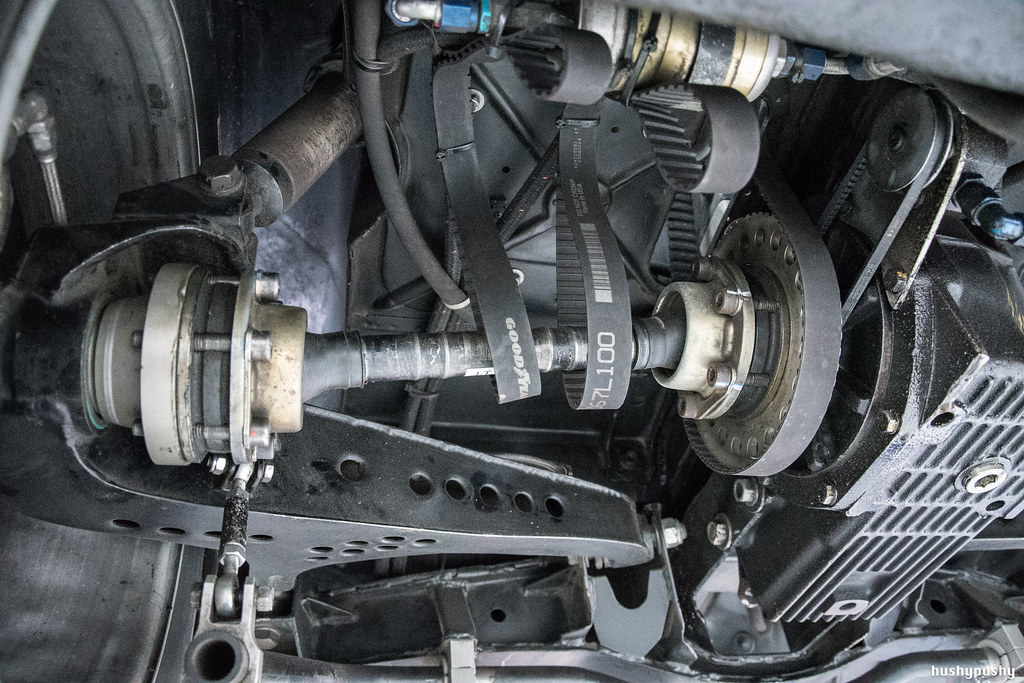
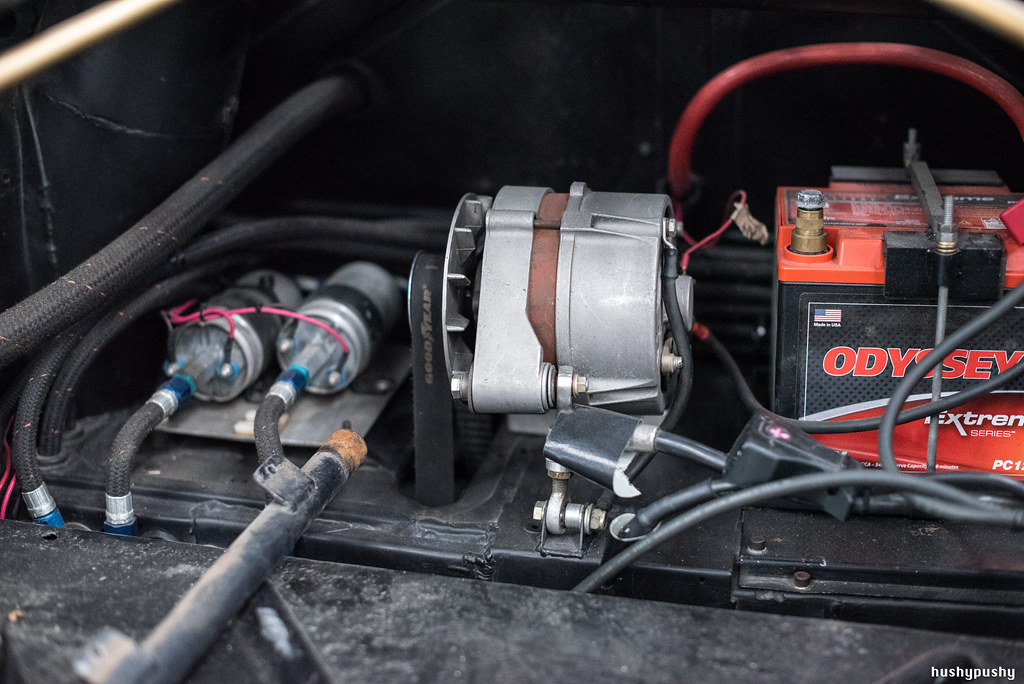
The caption is “Check out the extra belts; it's like that so they don't have to remove an axle if the belt breaks. Just cut the old belt off and slide the new one on.”
Clever!
But what are we seeing here?!? An axle driven alternator?!?
-Less voltage loss from shorter wire run: Yes
-Lower weight from shorter wire run: Yes
-Better weight distribution because trunk: Yes
-Must drive above ___ MPH to keep the
battery charges: Probably
-Isnt a source of parasitic drag: No, it still is and always will be.
Any thoughts or info on this kind of setup?
I do see an additional belt for what looks like a diff oil pump. I like that idea if it is under-driven enough to where you are always getting some flow, but arent stressing the pump at top speed.
There are also 2 electric pumps visible which I assume are fuel pumps
-
Are those heim joints holding the alt up?
-
There is a lot of weird stuff going on here.
How often do these guys break alternator belts?
How did I not know about the M49?
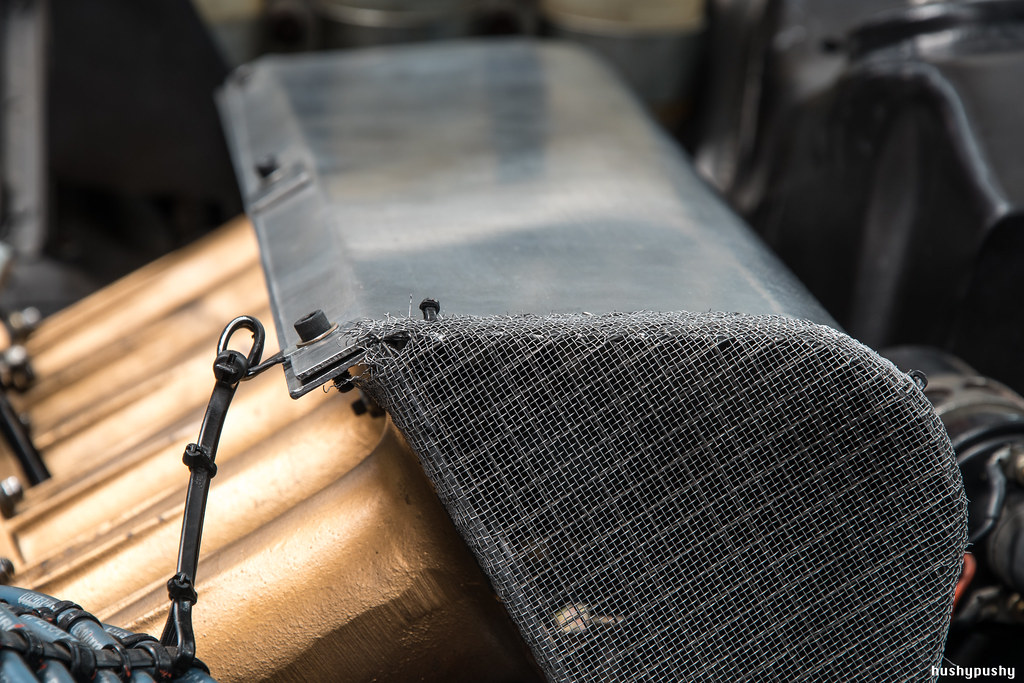
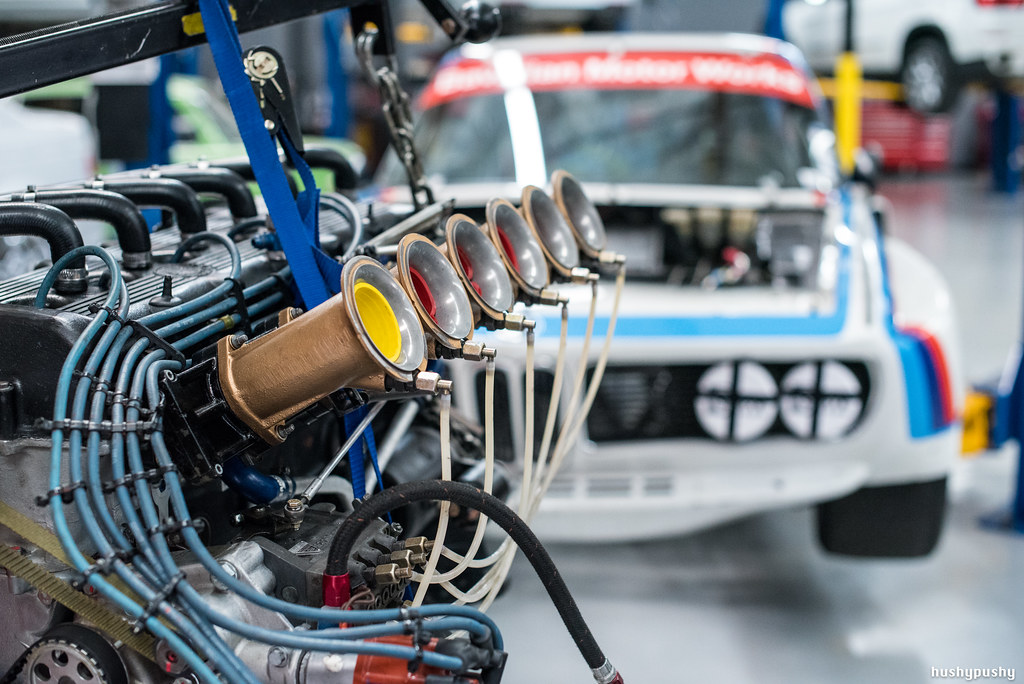
It's interesting seeing a slide gate for the throttle plates compared to the standard butterfly setup.
-
-Must drive above ___ MPH to keep the battery charges: Probably
Alternators use juice from the battery to drive the stator, which in turn causes current to flow in the field. Regulation occurs by changing the current through the stator. This way, the field current can be kept constant over a wide range of speeds. I don't have any actual data, but supposing that an alternator charges well enough between 800 and 8000 rpm, then it should work equally well between 20 and 200 mph.
I do see an additional belt for what looks like a diff oil pump. I like that idea if it is under-driven enough to where you are always getting some flow, but arent stressing the pump at top speed.
Stress on the pump would only be an issue if there is some restriction in the circuit causing back pressure. If the pump is low-volume, and the lines and cooler are a reasonable diameter, there would be very little pressure in the system. Probably only a few psi, but I guess that depends on fluid viscosity... Guess it all depends how much flow is required to keep the temperature down to an acceptable level...
How often do these guys break alternator belts?
If it breaks once and causes you to lose a race, then that's one too many times.
It's interesting seeing a slide gate for the throttle plates compared to the standard butterfly setup.
Flat slide carbs were once common in motorcycles. I guess the logic is that when the throttle is wide open there is no obstruction in the intake path like a butterfly, and the air path through the throttle can match the runners (ie be round) unlike a round slide carb which widens in that area when the slide is pulled away.
-
This is blasphemy. So much interesting things going on. I love all of it. I have never seen anything like that alternator before.

https://www.instagram.com/_jdesigner_/ http://nevertoolow.tumblr.com/
🥳SOLD BMW E24 633CSI - BMW M30B32 🧪SOLD HCH ES9 - 1.3 LDA
👽BMW E30 325IC - Toyota 1JZ-GTE ⏰ HONDA EF9 CIVIC SI - JDM B18C5
☠️BMW E36 318i - Ford 5.0 FE302 🚴♂️ GT-Labomba - 26x2.75 Freeride
🤹♀️SOLD BMW E36/7 Z3 - BMW M54B25 🧓SOLD BMW E10 2002 - BMW M10M05



Hello! It looks like you're interested in this conversation, but you don't have an account yet.
Getting fed up of having to scroll through the same posts each visit? When you register for an account, you'll always come back to exactly where you were before, and choose to be notified of new replies (either via email, or push notification). You'll also be able to save bookmarks and upvote posts to show your appreciation to other community members.
With your input, this post could be even better 💗
Register Login