
M20 Cylinder Head Porting
-
Ah yes, thanks for the reminder. I read something about that years ago I need to take a look at it again because I forgot the premise of it.
Id like to think that it just increased tumbling and likelyhood of complete combustion.
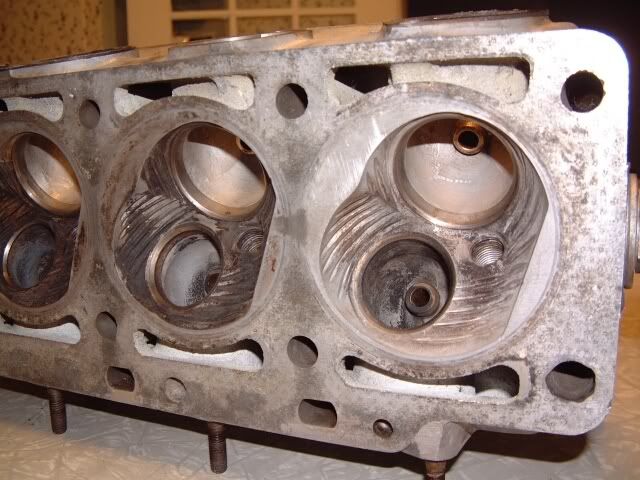
Metric Mechanic puts grooves in their CC's as well.
-
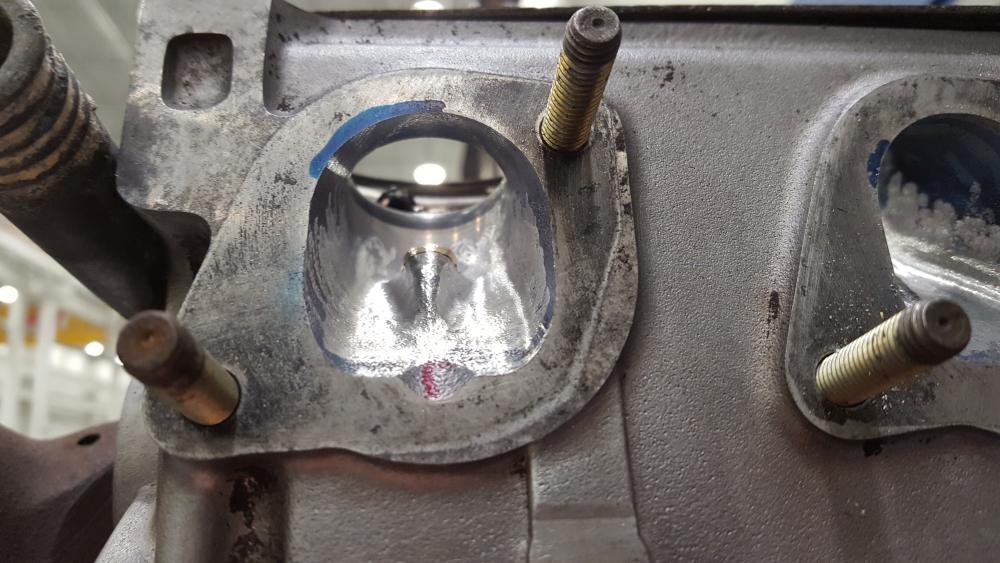
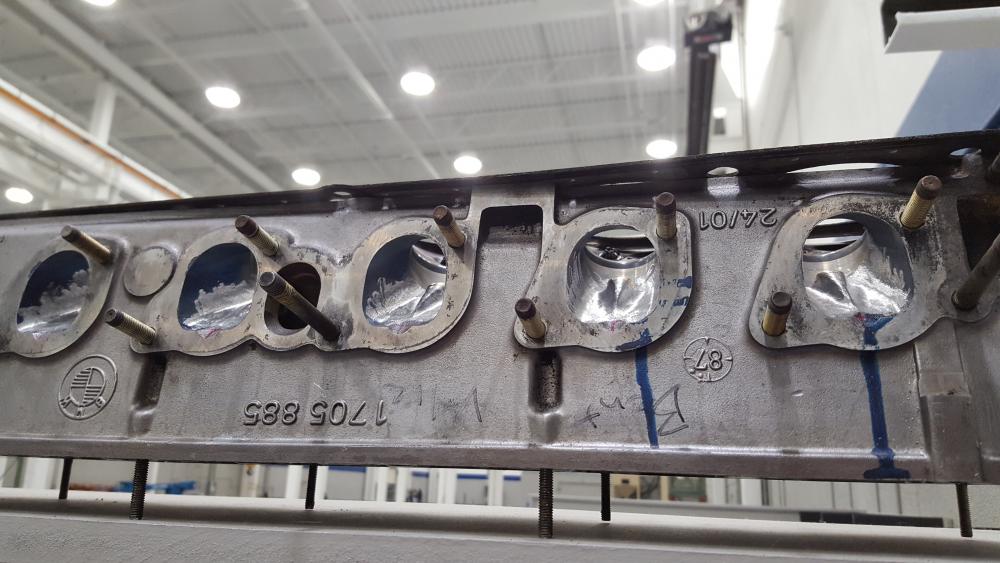
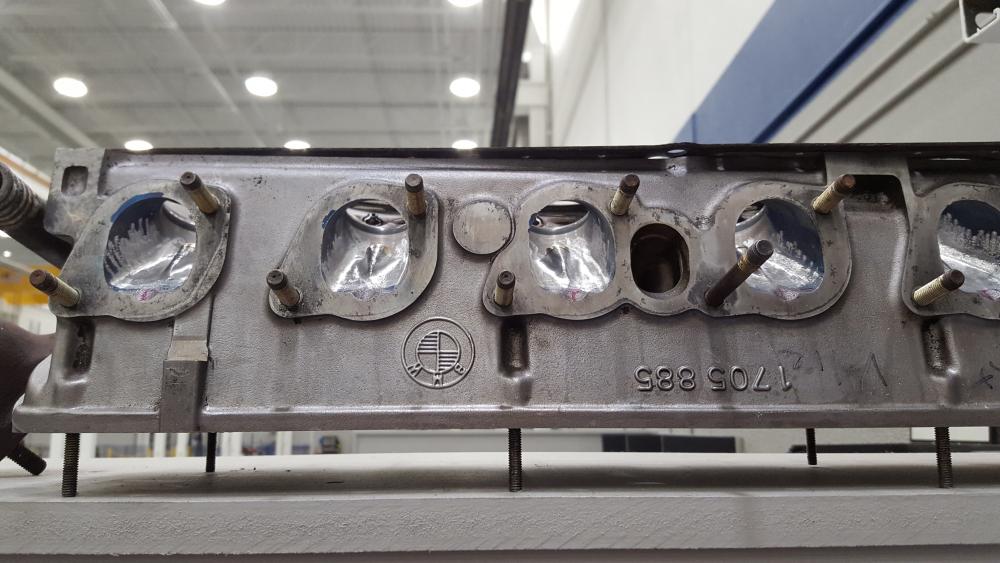
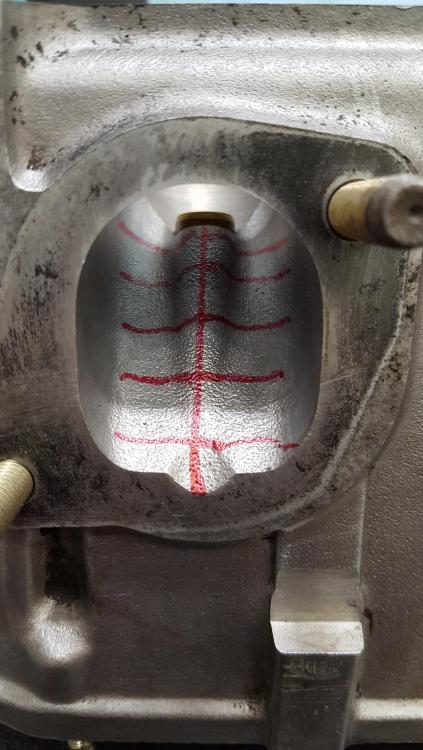
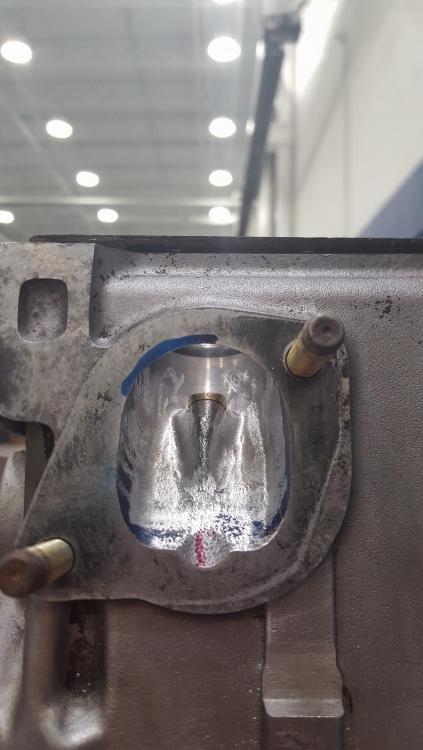
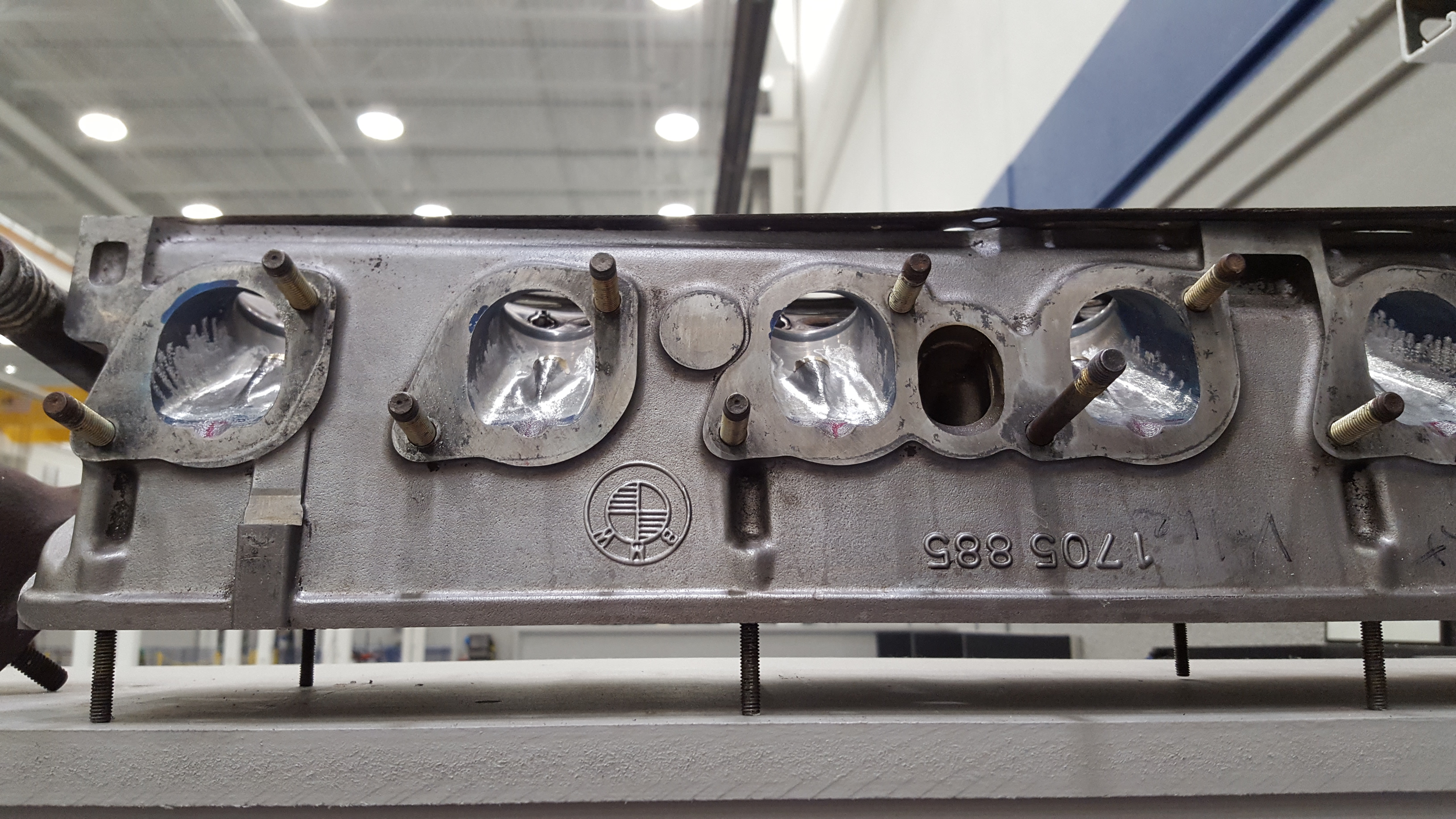
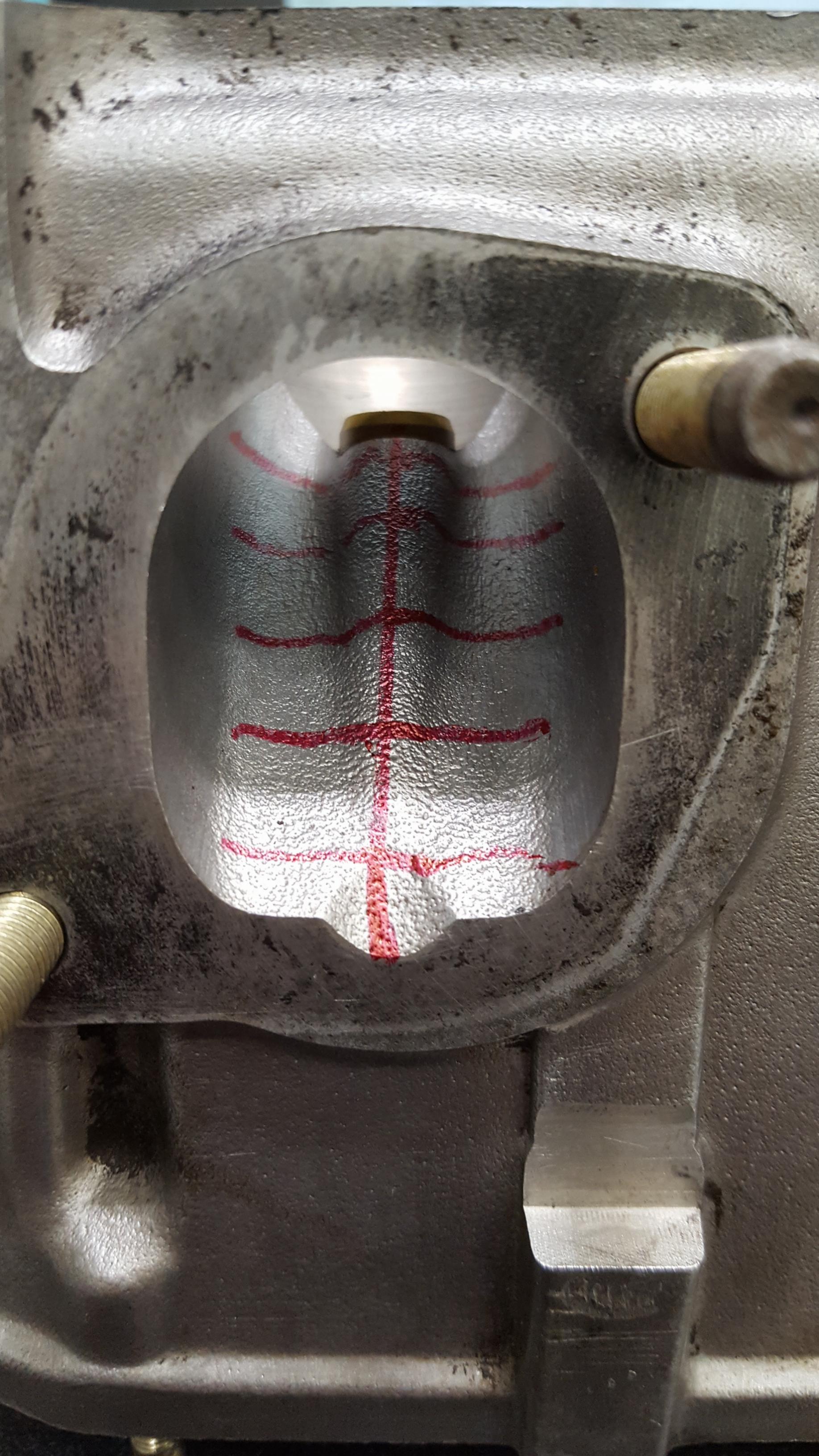
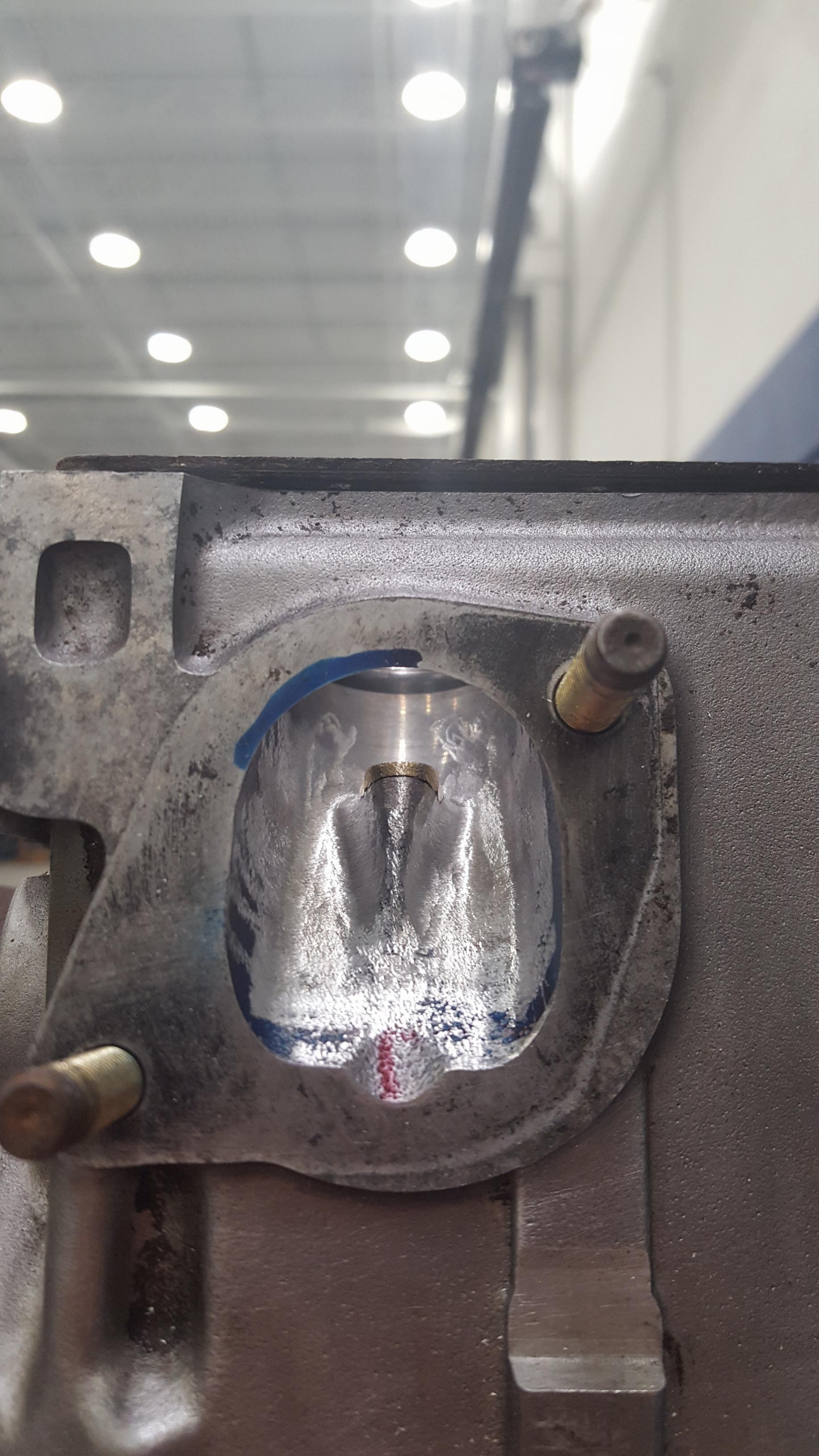
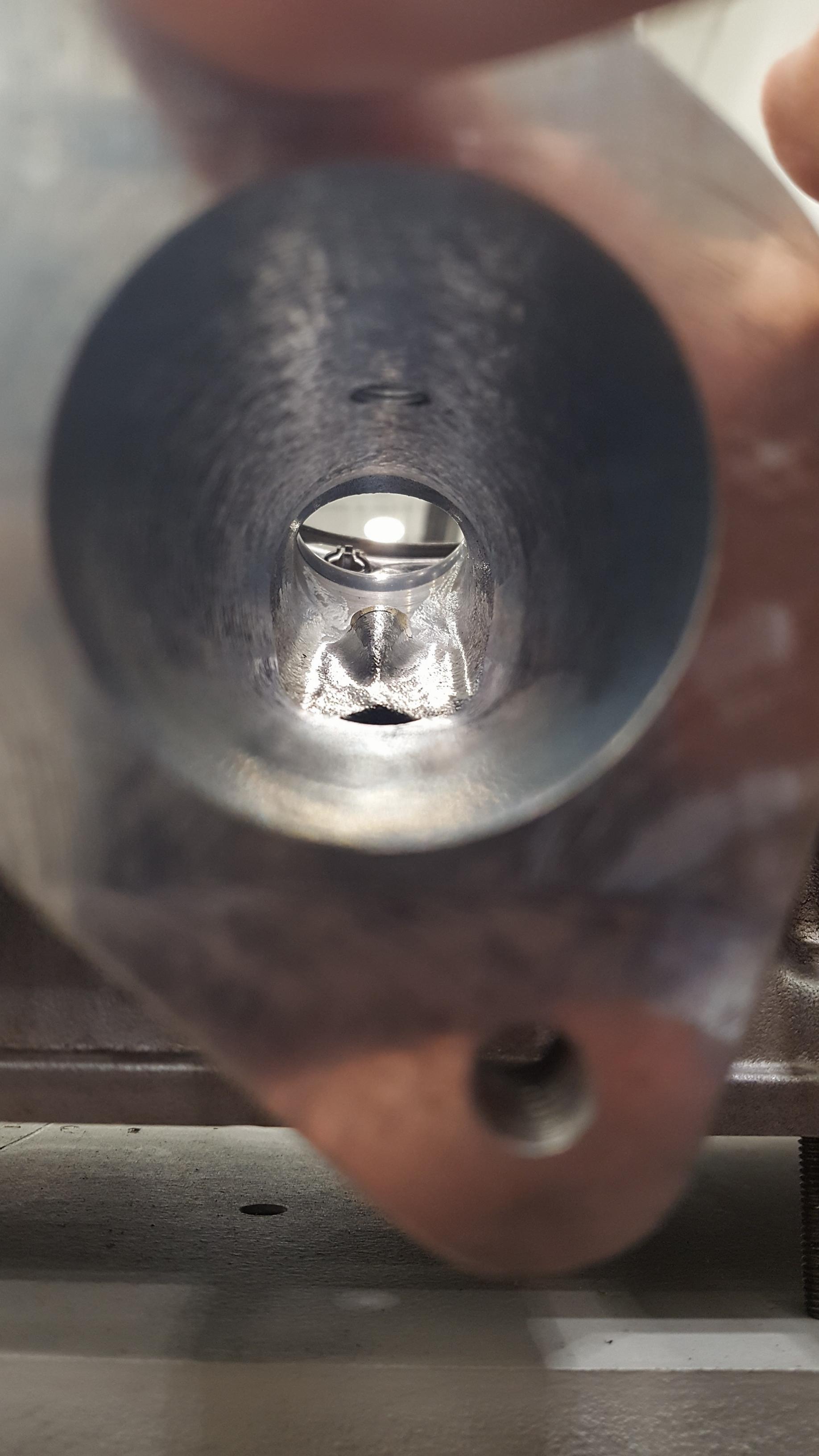
I've been reading through all of these threads on various forums, researching porting the m20 cylinder head. Finally started. This is just a ruff cut of the intake. I still have to polish/fine tune and do the exhaust and combustion chambers. So far I'm pretty happy with how it's turning out. I have data from flowing the stock head in college, it would be cool to flow it again after I'm done and see how much I killed the flow haha.
-
Yeah, just bur bits and flapper wheels. Need to make sure to use a cutting oil of some kind otherwise the aluminum gums up in the bur bits.
-
I used wd40 as a cutting oil on mine for the gasket matching. Its cheap and works. Thats pretty much my only use for WD40, it blows for everything else besides "displacing water"
.
I see "bent valve" on the head, is this a practice head? Or what you are using for your build?
-
it would be cool to flow it again after I'm done and see how much I killed the flow haha.
haha!
*ahem*
anyway, I'm glad you recognize the futility of doing port work without a couple spare heads, a flow bench, and a lot of trial and error. Most of what I've read comes from books on small block chevys written by David Vizard. Those heads respond the opposite of what you would expect, because most of the intake flow skips the short-side radius and flows across the back of the valve. Helping the air follow that path also helps improve swirl on the intake stroke. Of course BMWs don't have a (shitty?) wedge-head design, so I'm sure the rules are completely different. Regardless, unless you're running huge cams your main focus should be improving low-lift flow, since the valve spends a lot of time there. Getting the flow started early in the cycle is like getting a good run at the last corner before a long straight. 5mph faster through the corner means you're faster the whole way down the straight. A good valve job goes a long way...
-
I used wd40 as a cutting oil on mine for the gasket matching. Its cheap and works. Thats pretty much my only use for WD40, it blows for everything else besides "displacing water"
I see "bent valve" on the head, is this a practice head? Or what you are using for your build?
Yep, I was just using mineral spirits from the parts washer haha.
This is "the" head. Out of the 6 heads i have this is literally the only one without scorn cam journals. The jounerals on this one are literally perfect. It came from a junk yard south of mke. I'm guessing it snapped a timing belt back in the day and has been sitting on that shelf for years. The shed it was in looked like it could fall down at any moment haha.
-
anyway, I'm glad you recognize the futility of doing port work without a couple spare heads, a flow bench, and a lot of trial and error. Most of what I've read comes from books on small block chevys written by David Vizard. Those heads respond the opposite of what you would expect, because most of the intake flow skips the short-side radius and flows across the back of the valve. Helping the air follow that path also helps improve swirl on the intake stroke. Of course BMWs don't have a (shitty?) wedge-head design, so I'm sure the rules are completely different. Regardless, unless you're running huge cams your main focus should be improving low-lift flow, since the valve spends a lot of time there. Getting the flow started early in the cycle is like getting a good run at the last corner before a long straight. 5mph faster through the corner means you're faster the whole way down the straight. A good valve job goes a long way...
Yep lol, I practiced on a cracked head but yeah without a flow bench all I can do is try and make it look intuitive to me. The car will be turbocharged, so I guess I can overcome poor flow by increasing the delta P haha.
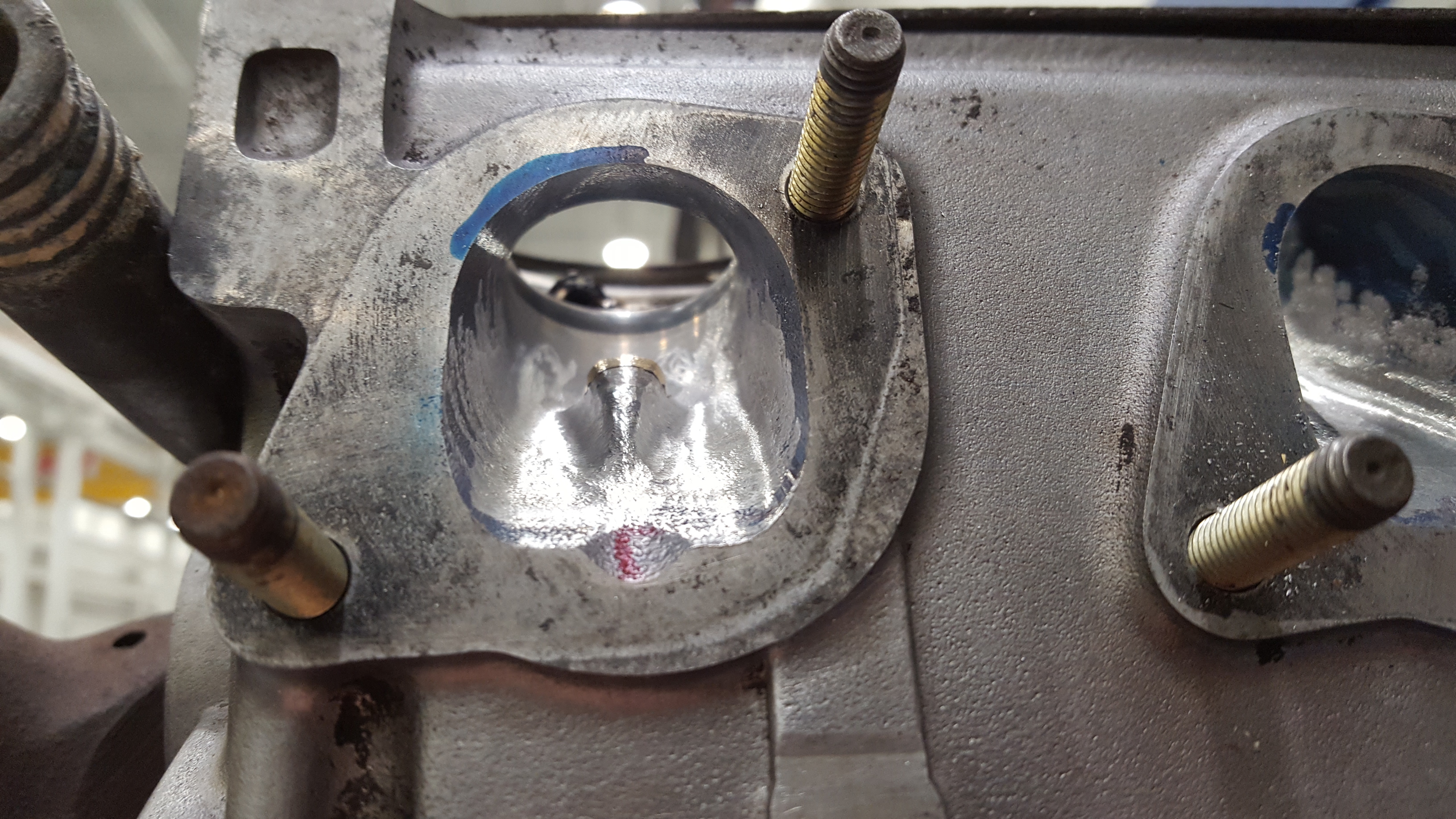
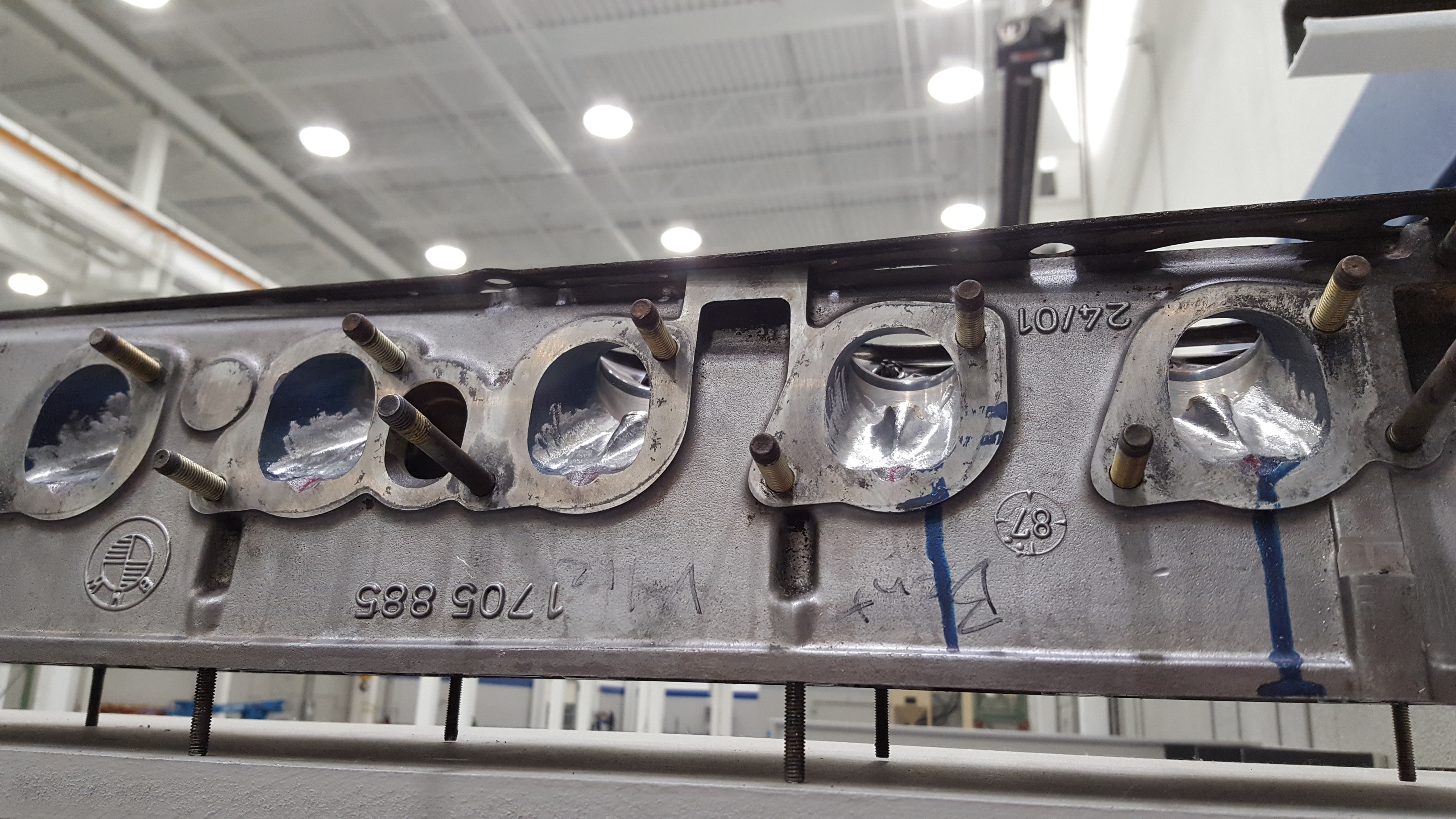
From talking with Jim at metric mechanic you get the most improvements from the roof cut. Looking at pictures on the Internet that also seems to be what most people do.
I've been trying to almost square off the roof and blend in the bowl machining into the runner. Then also shortening the ramp to the valve and make it follow the flow more, instead of a ramping choke point. I think I'm going to take some more off to make it follow the radius of the runner into the combustion chamber.
-







Hello! It looks like you're interested in this conversation, but you don't have an account yet.
Getting fed up of having to scroll through the same posts each visit? When you register for an account, you'll always come back to exactly where you were before, and choose to be notified of new replies (either via email, or push notification). You'll also be able to save bookmarks and upvote posts to show your appreciation to other community members.
With your input, this post could be even better 💗
Register Login